

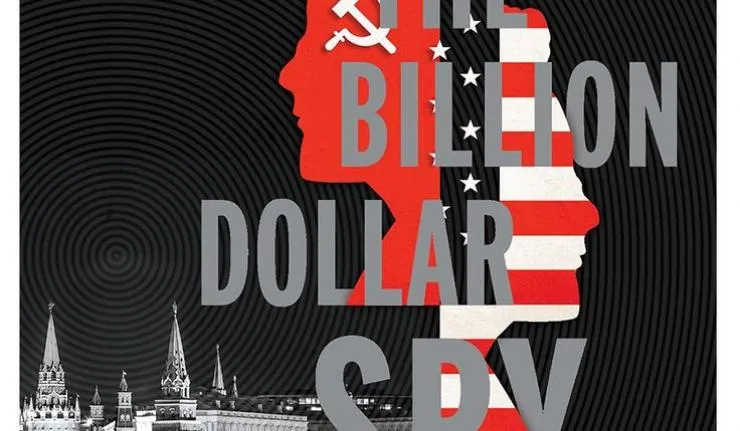
“I am a dissident at heart.” – Tolkachev to his CIA handler on New Year’s Day 1979

Since the end of the World War II, Europe has been repeatedly afflicted by waves of brain drain, with varying degrees of intensity across time and countries. But these outflows of human capital have rarely turned into some form of brain circulation, nor have they been compensated by adequate inflows of foreign talents. Now, the Digital Revolution and the economic restructuring imposed by a never-ending Eurozone crisis are amplifying the costs of these human capital losses, creating skills shortages that are undermining Europe's ability to compete globally. So far, the European Commission (EC) has…
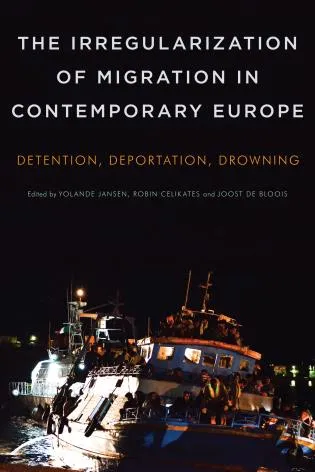
Few would argue that suffering and death in hostile border regions, underequipped detention facilities, or unsafe working and living conditions are anything other than tragic consequences of failing immigration systems around the world. But, as Julien Jeandesboz argues in The Irregularization of Migration in Contemporary Europe, exploitation, abuse, and even death of undocumented immigrants can be convincingly described as inherent features of systematic domination rather than a failure of order in Europe’s immigration system1. The Irregularization of Migration in Contemporary Europe is…
Recent debates on immigration, both in the United States and abroad, have become increasingly controversial and politically charged. In the wake of President Obama’s November 2014 executive action to grant approximately 5 million unauthorized immigrants in the United States protection from deportation, Congress remains deadlocked on the immigration issue, as Republicans threaten to reverse the president’s actions by withholding funding from the U.S. Department of Homeland Security. In Europe, anti-immigration sentiment appears to be on the rise, as evidenced by the relative success…
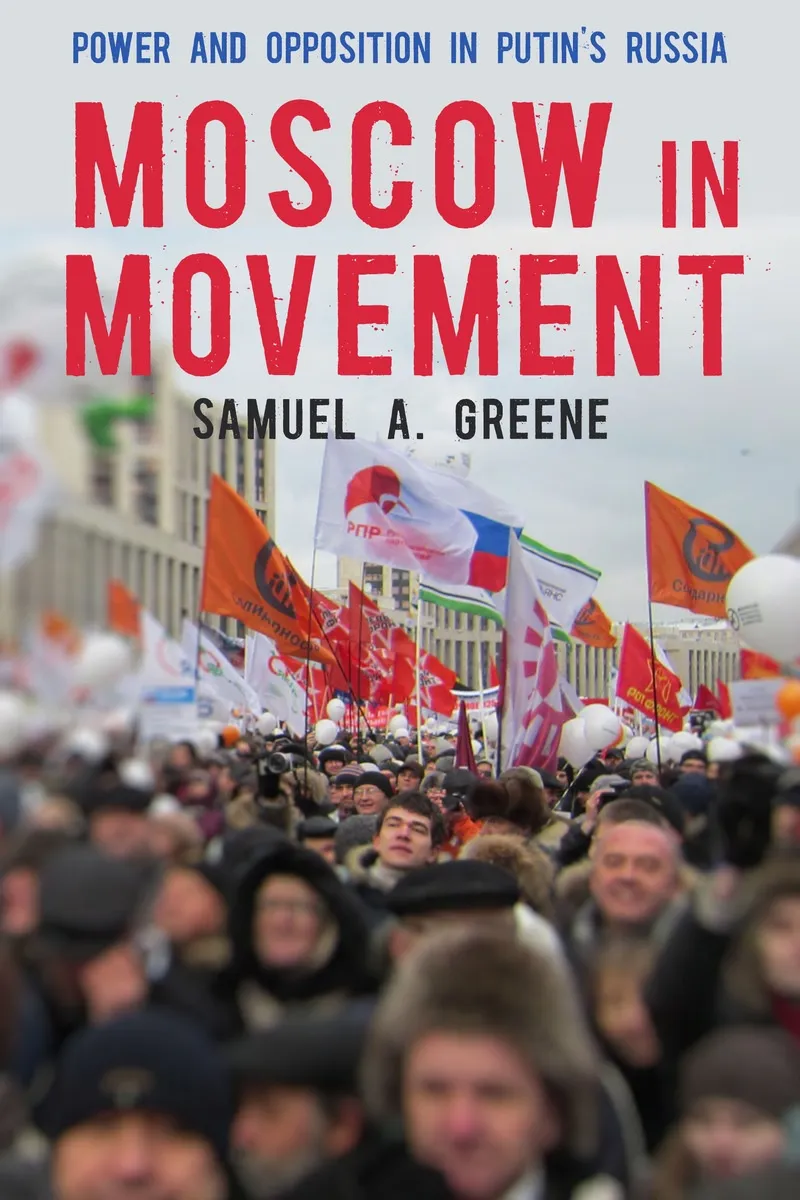
Samuel A. Greene, one of the leading British experts on Russia and post-Soviet space, presents a thoughtful and comprehensive study of the evolution of Russian civil society in Moscow in Movement: Power and Opposition in Putin’s Russia. Greene’s book presents a noteworthy reflection on Russia’s political regime, elite strategies, and social movement organization. It balances theoretical speculations on the nature of the Russian political regime with a new, refreshing perspective on the acute problems of state-society relations, explored through several case studies.