
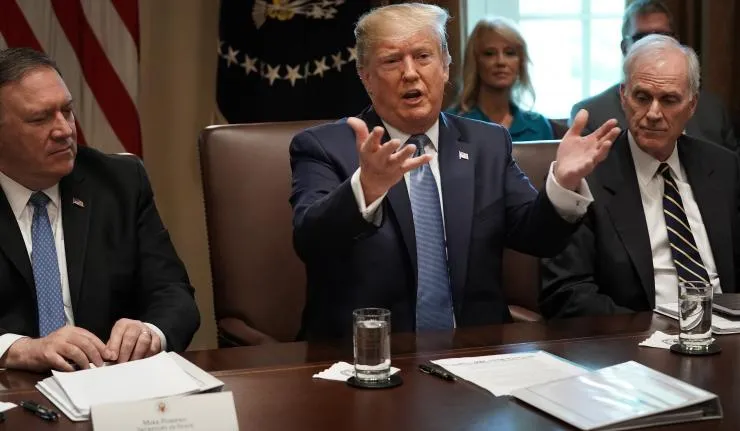
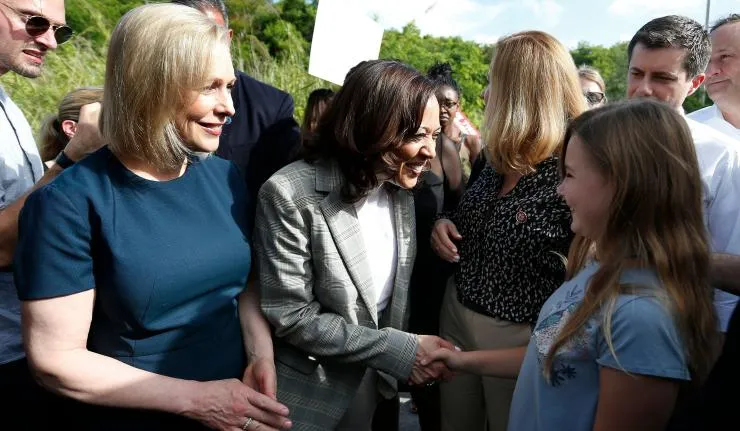
Nearly one hundred years since obtaining the right to vote, women in America have steadily seen hard-fought gains in political representation. Yet the highest office in the land, the American presidency, has eluded more than 200 women who have sought the Oval Office.1 The 2020 election may change this reality forever, as, for the first time, five highly qualified women are running for the presidency. A win by any of these leaders would bring the nation one step closer to its promise of representative democracy, and would have tremendous implications for representation and governance in both…
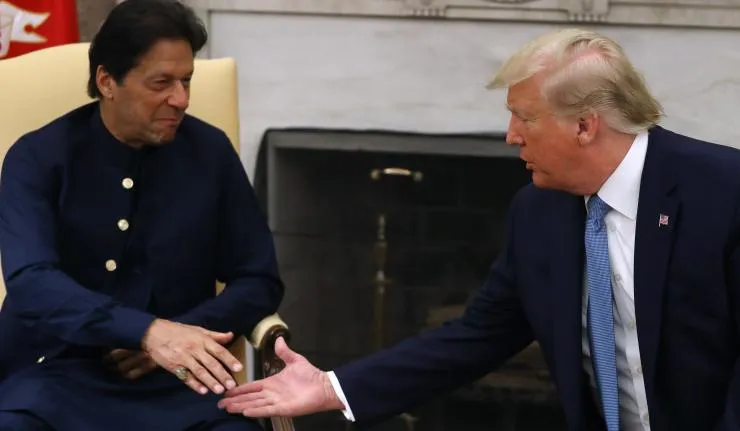
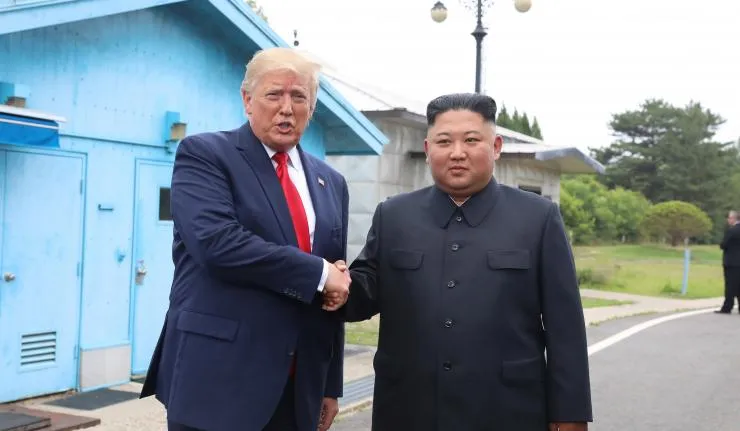
Muhsin Puthan Purayil analyzes Trump’s summit invitation to Kim Jong-un via Twitter through the lens of public diplomacy. Given the nature of U.S.-North Korea relations coupled with the absence of an environment typically required for effective advocacy, however, he argues that Trump's engagement is unlikely to produce any tangible outcome.
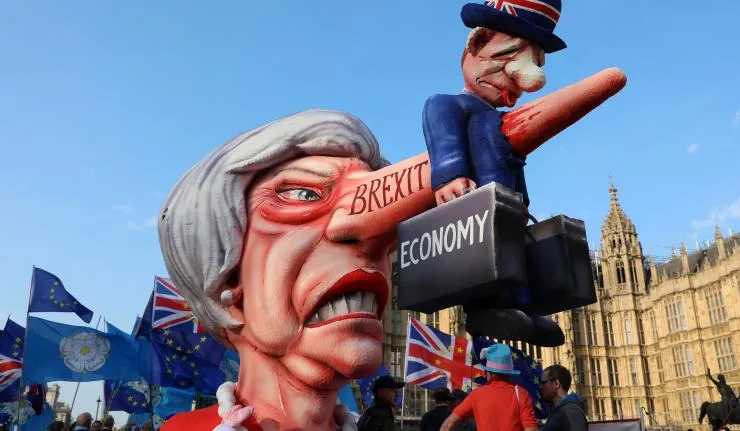
With the looming October 31 Brexit deadline, Desmond Lachman emphasizes the catastrophic implications of the UK's departure from the EU both for the US and the broader world economy.
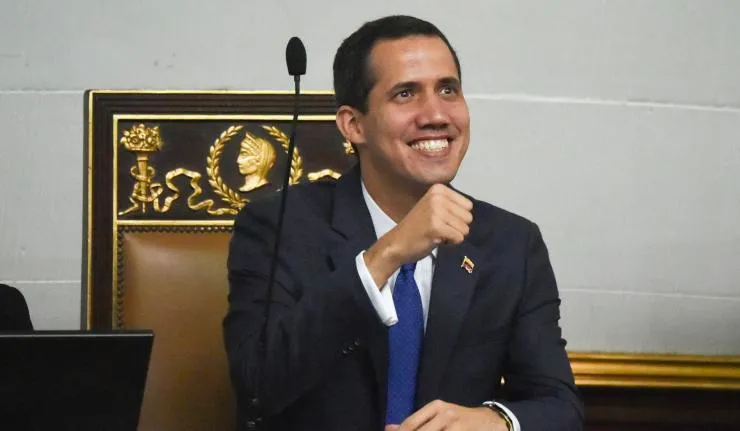
Benjamin Moore argues that US recognition of Juan Guaidó as the Venezuelan president, an action in stark contrast with the Trump administration's typical anti-interventionist stance, should be treated with a healthy dose of skepticism to avoid pitfalls of the past.
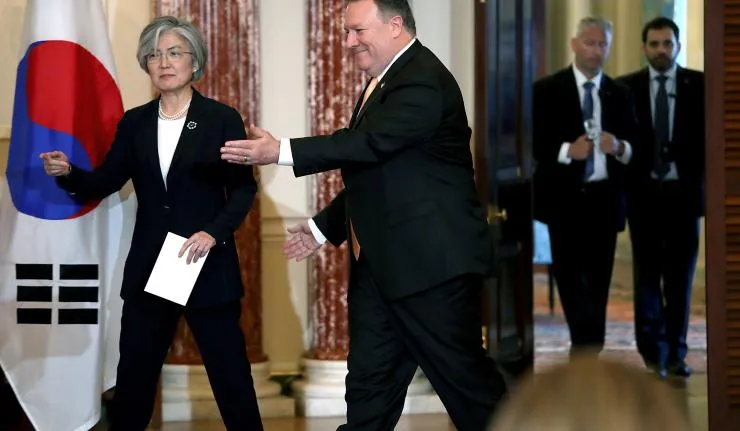
As a trade war mounts between the United States and China, South Korea has found itself caught in the middle. Seunghyun Han assesses the ways in which South Korea can mitigate risks to its export-oriented economy and use the trade war as impetus to pursue new market opportunities, particularly in Latin America.
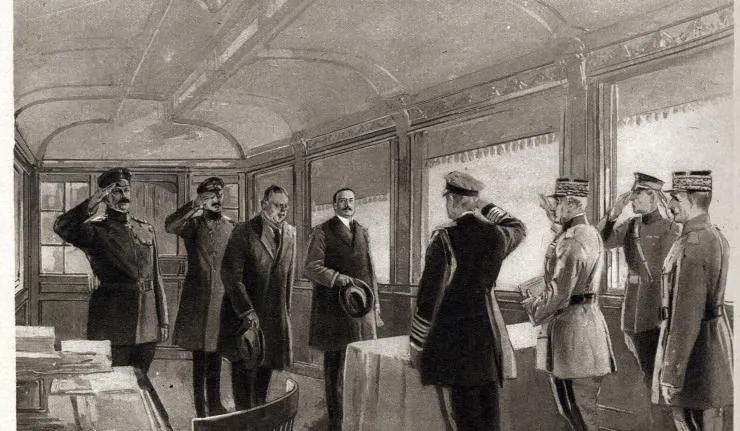
The epoch-making failure of the Versailles conference to address legitimate Chinese concerns and reconstitute Chinese sovereignty over Shandong unleashed social energies that continue to shape the Chinese worldview today. Yet it is exactly the historical lesson from the Shandong incident and the inalienable philosophical psyche of Shandong that can be a source of immense inspiration and stimulate creative action at a time of a dangerous Sino-US diplomatic quandary.
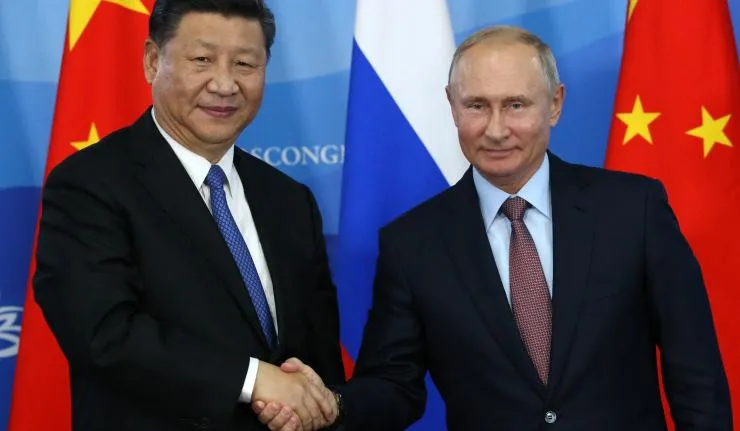
Tensions with the West since 2014 have contributed to Russia’s attempt to “pivot East” and coordinate with China on providing energy supplies. China is already Russian oil’s biggest customer, and in 2019 importing Siberian gas thanks to the massive “Power of Siberia” pipeline. But how far will Russia-China cooperation work? What are the risks for Russia? Will it become an “energy appendage” of Beijing? Ernesto Gallo and Bruno Sergi examine the changing dynamics of the relationship between Russia and China.
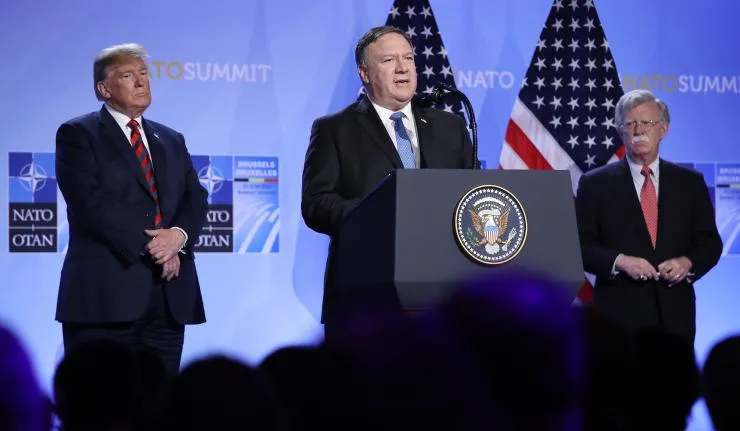
Michal Bokša and Caitlyn Hendricks-Costello examine the recent U.S. turn toward "politics of force" and its potential long-term ripple effects for NATO and NAFTA. With a look back at Moscow in the 1980s, they argue that the White House is expending international political capital at an unsustainable rate, to a point that U.S. global influence may be compromised well beyond the current administration.
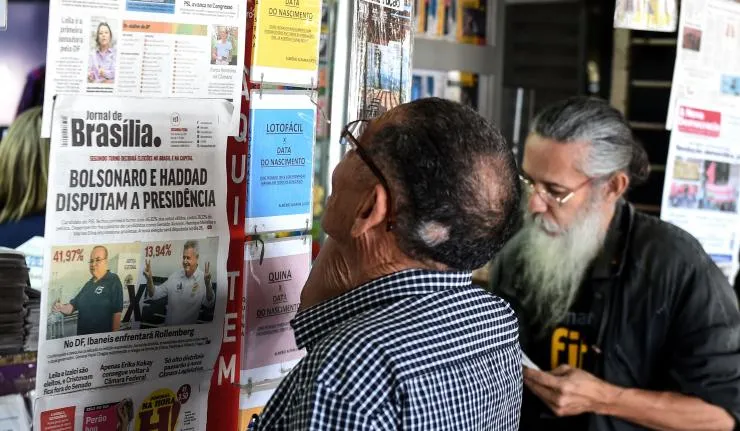
Rogerio Schlegel argues that the popularity of right-wing populist Jair Bolsonaro reflects part of Brazilian society’s deep-seated aversion to equality. Ideally, the second round of elections on 28 October can be a rallying point for a pro-democracy alliance.
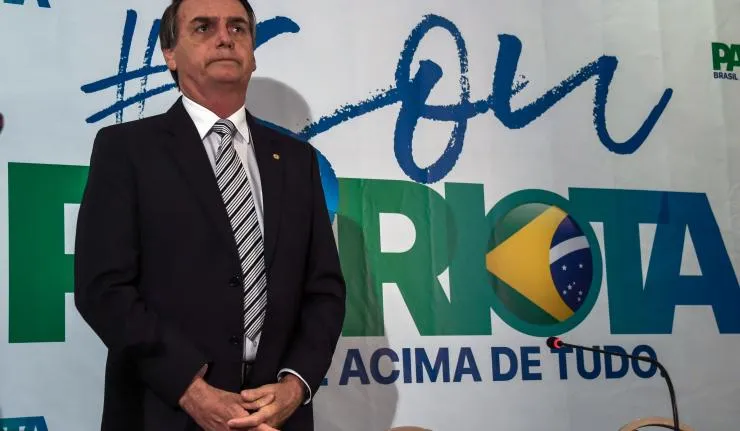
Andre Pagliarini argues that at the anniversary of the 1988 Constitution, Brazilian presidential candidate Jair Bolsonaro’s potential election threatens to revert the country’s progress toward democratic and social liberalization.