

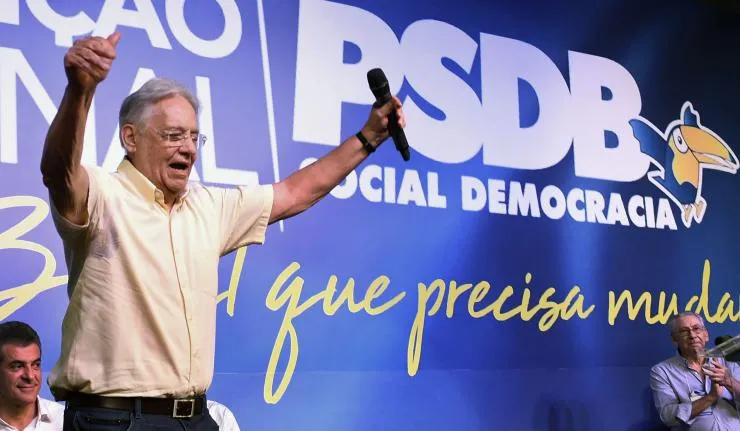
FERNANDO HENRIQUE CARDOSO was President of the Federative Republic of Brazil for two successive mandates from January 1995 to January 2003, winning both elections by an absolute majority. Among his current functions, Cardoso is Chairman of the Club of Madrid and co-Chairman of the Inter- American Dialogue. He is also a member of the Board of Trustees of the Rockefeller Foundation, New York, and of the Institute for Advanced Study, Princeton. In addition, he is Professor "at-large" at Brown University, Providence, and holder of the "Cultures of the South" chair at the Library of Congress,…
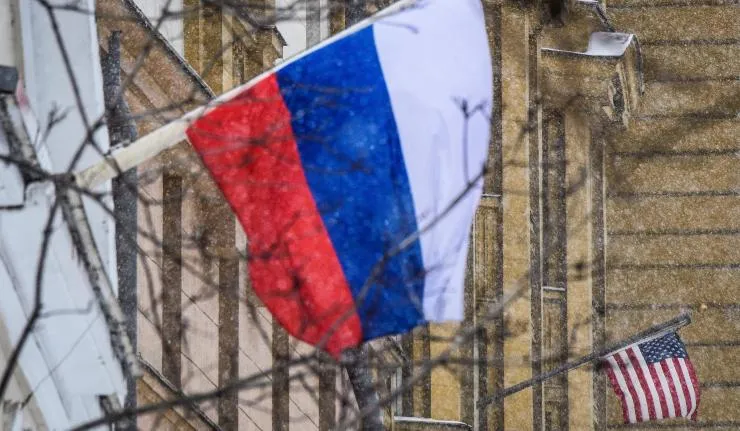
Democracy promotion abroad may contain the seeds of democracy destruction, and perceived democracy destruction may in effect be democracy promotion. This article examines two foundational analyses, one Russian and the other American, that assert digital technologies have been used by rival states to promote democracy and to undermine governance to achieve regime destabilization. The Russian analysis is the so-called Gerasimov doctrine and the American analysis is the January 2017 report by the U.S. Office of the Director of National Intelligence, which asserts that the 2016 U.S. Presidential election…
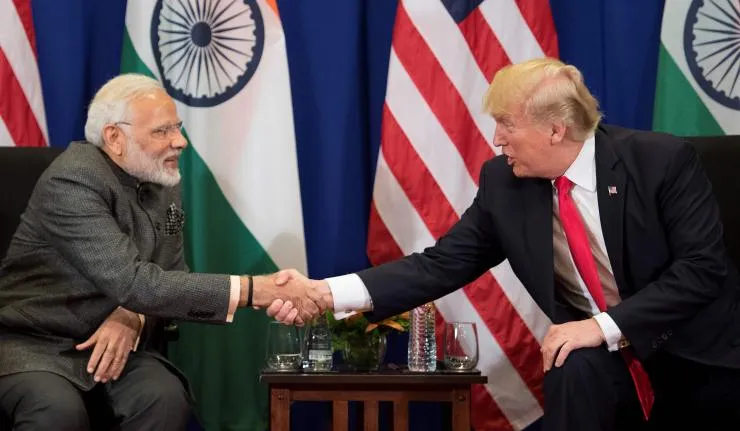
On 6 September 2018, U.S. Secretary of State Mike Pompeo and Secretary of Defense James Mattis will meet their Indian counterparts in New Delhi. The inaugral 2+2 Dialogue is an opportunity for both sides to discuss strengthening their strategic, security, and defense co-operation in the Indo-Pacific and beyond. Aayush Mohanty argues that top of the list should be the impact of U.S. sanctions on India’s defense and energy needs.
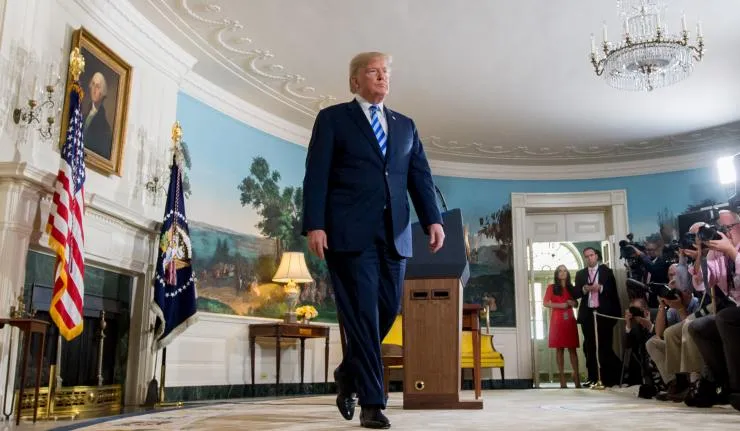
The Trump Administration has bracketed the previous Iran containment policy in favor of a confrontational approach based on coercive sanctions aiming to cripple the Islamic Republic and bring about a regime change. Reflected in the United States’ unilateral exit from the Iran nuclear deal, Trump’s Iran policy faces formidable challenges and is unlikely to succeed. Kaveh L. Afrasiabi and Nader Entessar highlight the deep flaws in Trump’s Iran policy and call for the resumption of dialogue between the United States and Iran as an alternative to the present hostile climate between the…
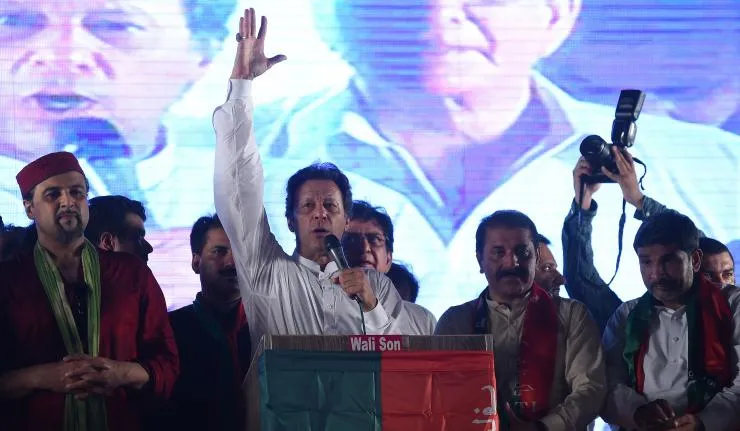
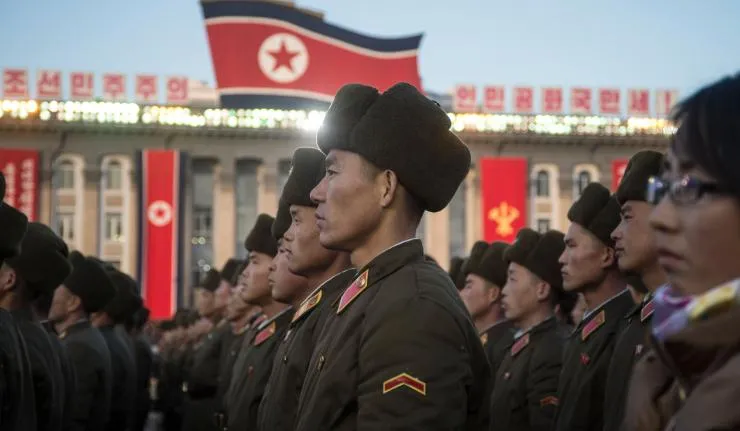
The term “Libya model” has gone from being an example of successful denuclearization in North Africa, to an explicit threat of military action on the Korean peninsula. This article will examine the differing definitons of the term and explore Libya’s fit as a model for North Korean denuclearization. Brian Choquette dissects the rationale for Libya’s abandonment of WMD, and looking ahead, contrasts it with the modern reality of the DPRK.

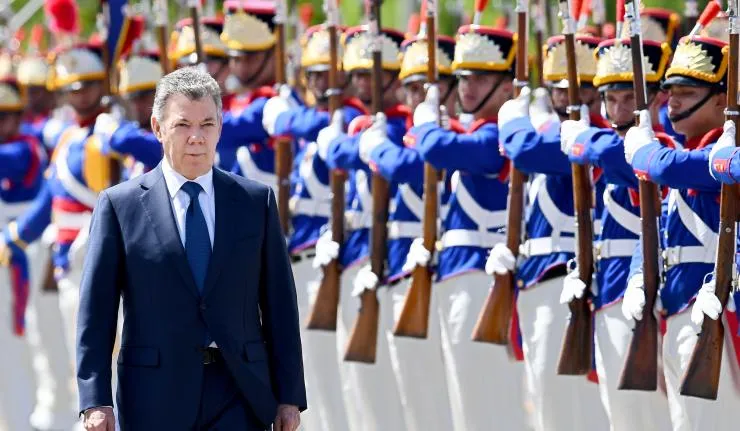
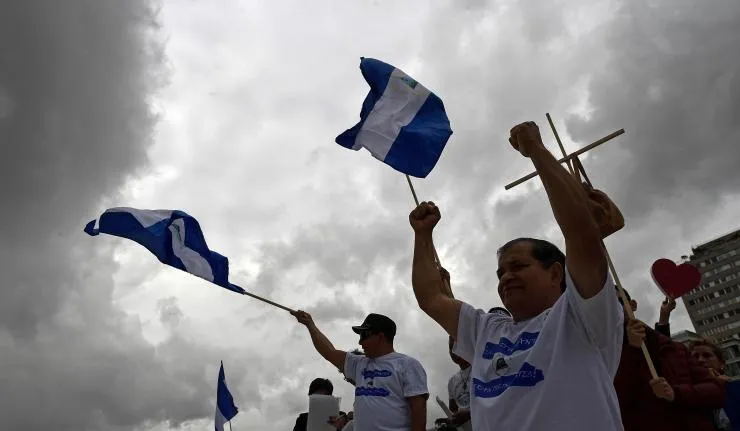
Dictatorships in 21st century Latin America are increasingly using democracy as a tool to legitimize authority, consolidate power, and repress their citizens. This piece considers the recent examples of Venezuela, Nicaragua, and Honduras.
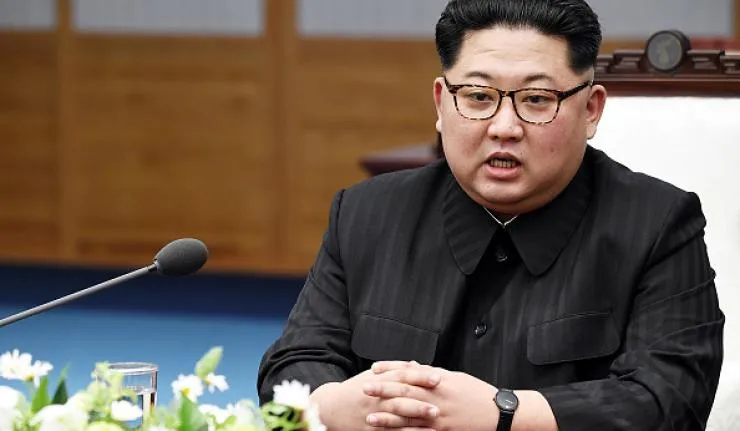
As the landmark meeting between American President Donald Trump and North Korean leader Kim Jong Un becomes more likely to occur in the next month or so, Katrin Katz provides a guide on how to prepare the President for this high-stakes summit in this companion piece to her recent article, written with co-author Victor D. Cha, in the May/June 2018 issue of Foreign Affairs- "The Right Way to Coerce North Korea: Ending the Threat Without Going to War".

The United States has a consistent Strategic Culture, centered on a sense of exceptionalism, values-driven foreign policy, casualty aversion, as well as strong leadership. These features reflect in its space policy and ambitions, where the US has cooperated with other nations but assumes a position of natural leader. It remains to be seen how this role will evolve – although the sense of exceptionalism may endure – as new actors, including private companies, make their way into space.