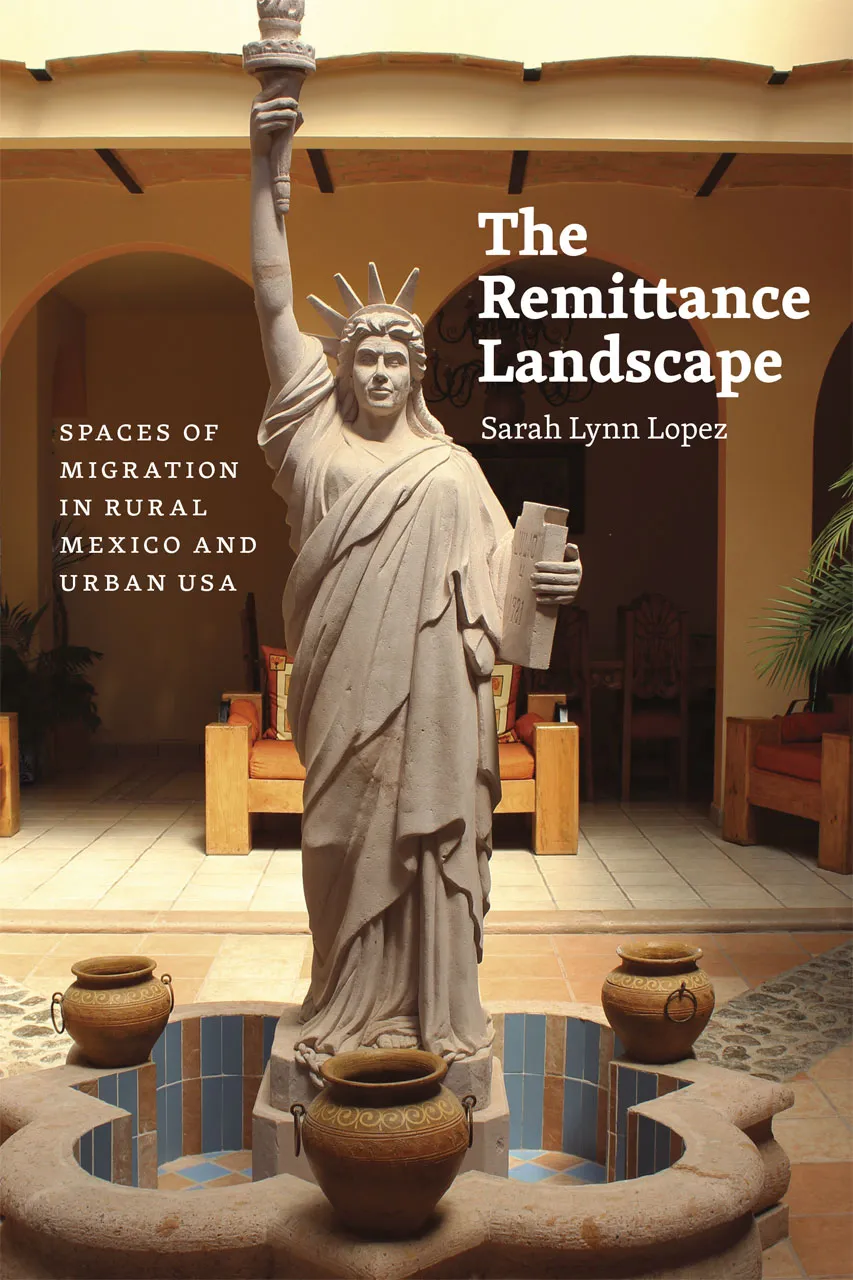
Sarah Lynn Lopez’s The Remittance Landscape: Spaces of Migration in Rural Mexico and Urban USA deftly carves out a largely unexplored space in the migration conversation—one that encompasses the duality of migration and the effects of this demographic flow on rural and urban physical spaces to track social change. These shifts that result from migration are part of what Lopez terms the “remittance landscape.” The remittance landscape serves as a nuanced canvas on which the dynamics of migration are displayed through the development of built environment supported by remittances from migrants…
Pinay on the Prairies: Filipino Women and Transnational Identities by gender and migration scholar Glenda Tibe Bonifacio offers an intimate, detailed picture of the lives and identities of the Filipino migrant women in the Canadian provinces of Alberta, Manitoba, and Saskatchewan; told using a feminist approach uniquely attributed to the Filipino women, or what Bonifacio calls “Pinayism.” In her book, Bonifacio attempts to shatter the stereotypical and racialized image of Filipino migrant women, presenting these women to be more than just “nannies” or “domestic workers,” but…
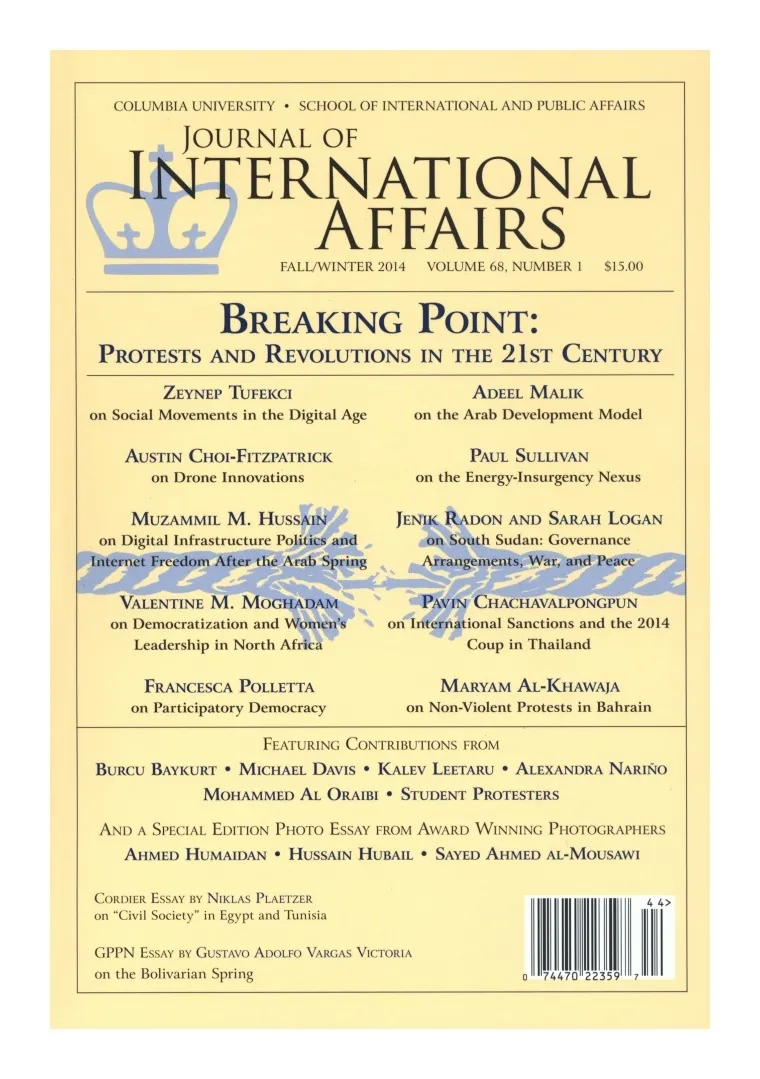
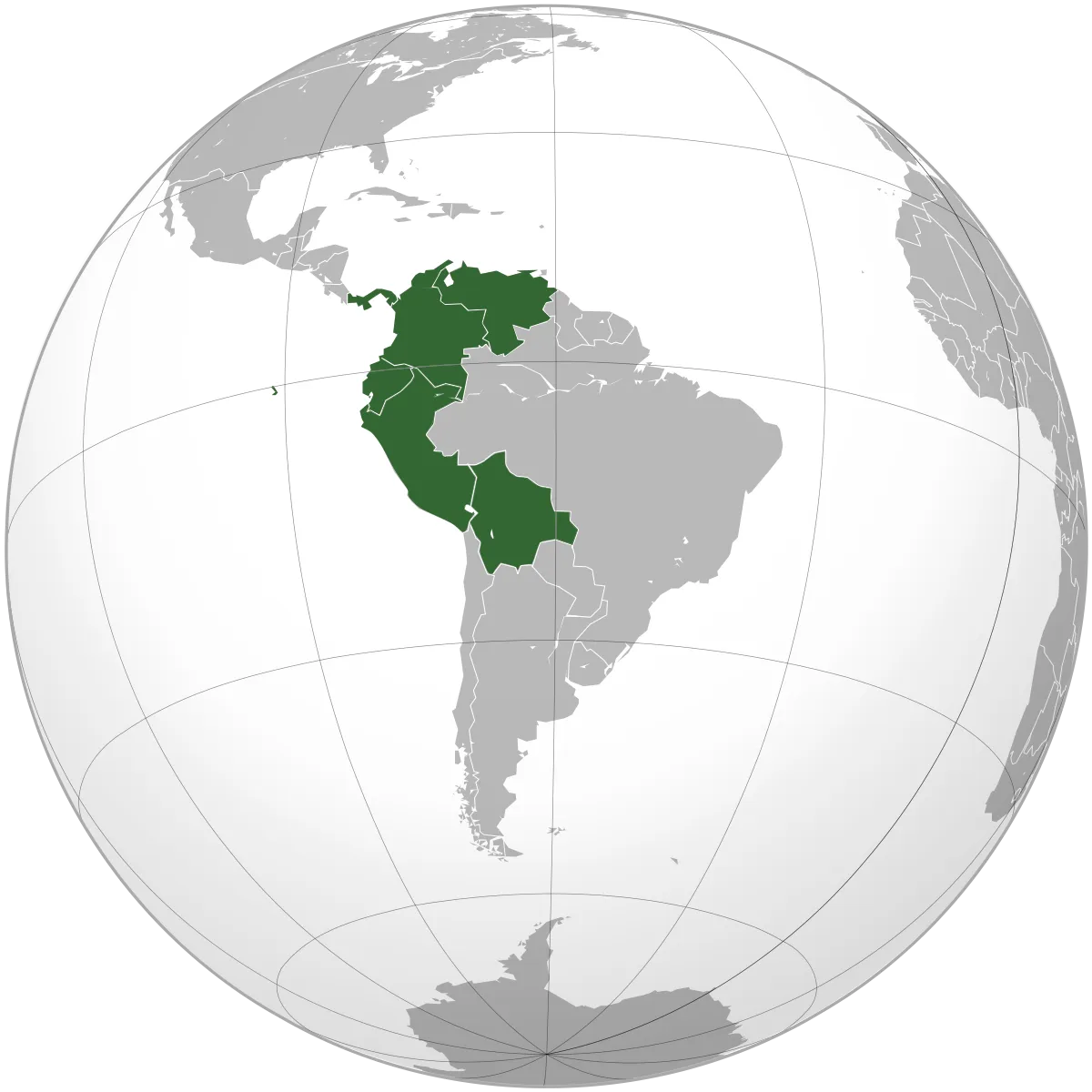
Based on the rational choice theory, this essay develops a theoretical approach to explain how an individual's expected utility of protesting is affected by the probability of having a new government, together with the expected costs, expected benefits, and the probability of retributive consequences for protesting. The essay argues that the probability of having a new government is positively correlated with the opposition's ability to coordinate. By modeling how these variables interact, this essay revises the concept of "threshold", or point where the expected net benefits exceed the expected…
Henry Kissinger’s World Order poses a timely question: How does the world achieve peace and stability among actors whose definition of “order” varies? Kissinger contends that a successful approach to world order must incorporate both the “multifariousness of the human condition” and the “ingrained human quest for freedom.”