
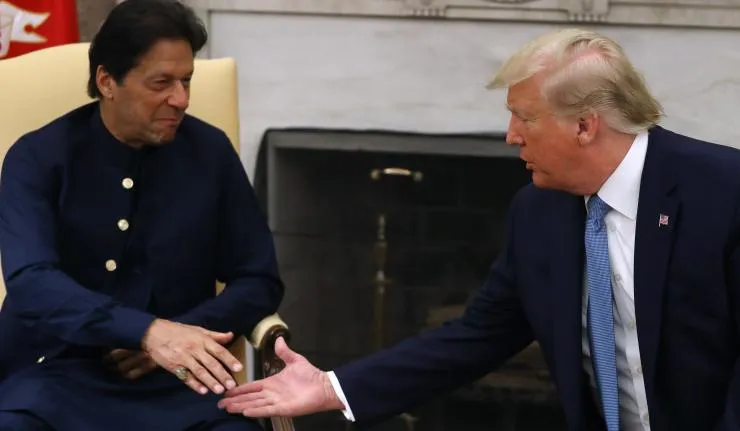
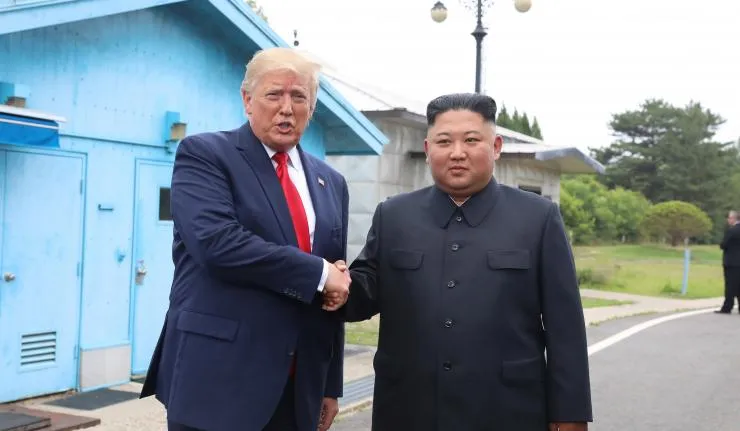
Muhsin Puthan Purayil analyzes Trump’s summit invitation to Kim Jong-un via Twitter through the lens of public diplomacy. Given the nature of U.S.-North Korea relations coupled with the absence of an environment typically required for effective advocacy, however, he argues that Trump's engagement is unlikely to produce any tangible outcome.
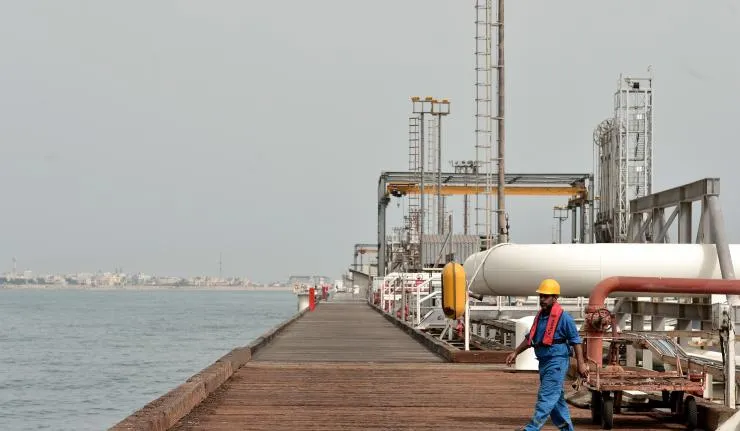
With economic sanctions becoming an increasingly popular political tool, Alexander Rustler argues that more attention must be paid to these sanctions’ longstanding ramifications on the environment. He does so by taking a closer look at the situation in Venezuela, Iran, and Russia.
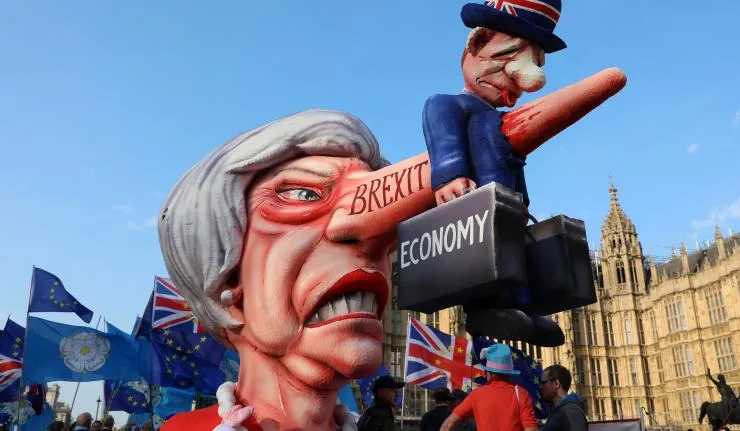
With the looming October 31 Brexit deadline, Desmond Lachman emphasizes the catastrophic implications of the UK's departure from the EU both for the US and the broader world economy.
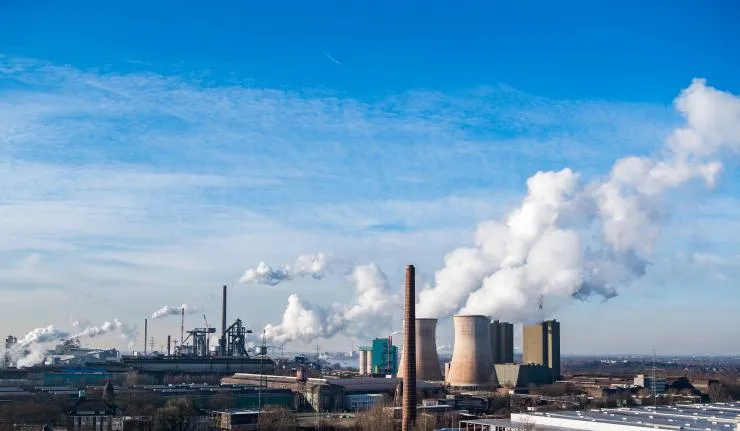
With the planet’s climate at risk, central banks have begun to consider monetary policy that may reduce environmental damage while simultaneously ensuring financial stability. By joining the fight against climate change, central banks could have a significant impact on the world’s progress towards a sustainable future.
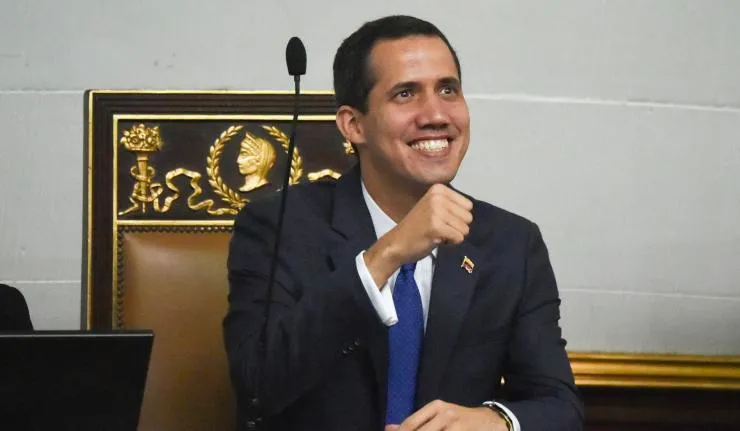
Benjamin Moore argues that US recognition of Juan Guaidó as the Venezuelan president, an action in stark contrast with the Trump administration's typical anti-interventionist stance, should be treated with a healthy dose of skepticism to avoid pitfalls of the past.
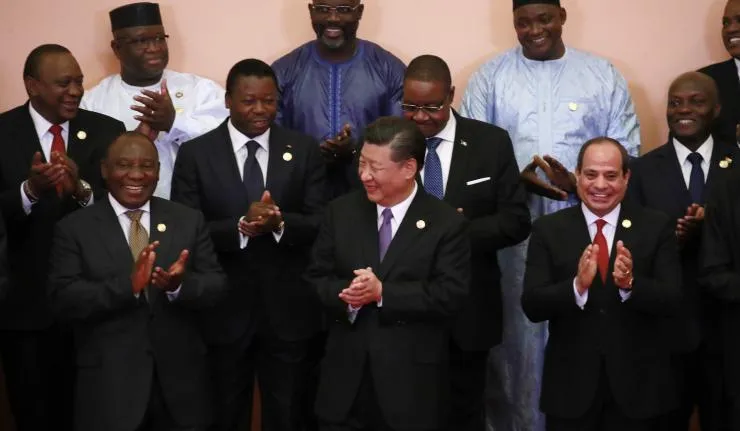
Bhaso Ndzendze discusses the scarcity of simplistic hypothesis testing and model-building in studying the relations between China and African states and the unsubstantiated generalisation which stems from this.

Professor Richard K. Betts reflects on lessons learned since the Great War and its continuing relevance in today’s foreign policy. With the possibility of a new Cold War on the rise, what can we learn from the past?
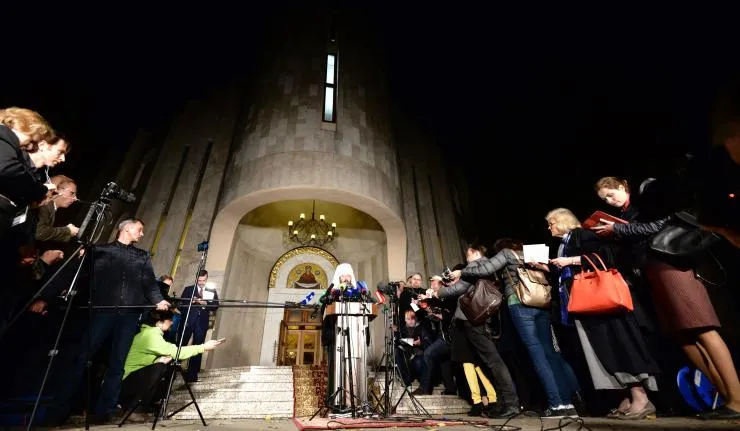
The Russian Orthodox Church announced on 15 October 2018 that it would break communion with the leader of Eastern Orthodoxy, the Ecumenical Patriarchate of Constantinople, over the decision to grant the Ukrainian Orthodox Church independence from the Moscow Patriarchate since coming under its control in 1686. The historic schism has implications beyond religious practice as political leadership in Kiev and the Kremlin connected the decision to foreign policy considerations. Amy Fallas argues that the geopolitical dimensions of the Orthodox crisis and the agency of ecclesiastical actors underscores…
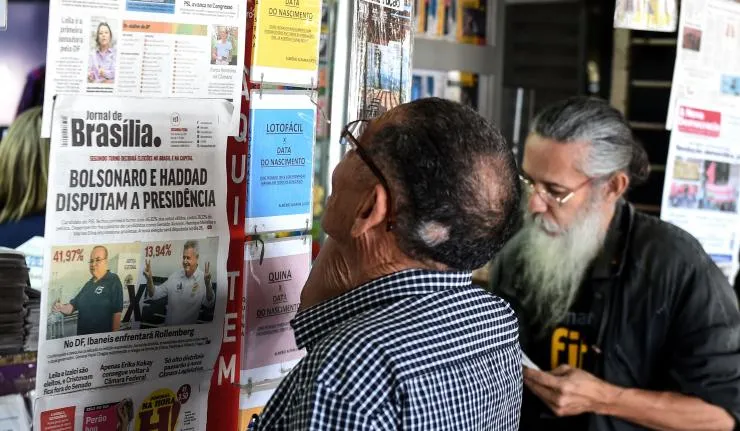
Rogerio Schlegel argues that the popularity of right-wing populist Jair Bolsonaro reflects part of Brazilian society’s deep-seated aversion to equality. Ideally, the second round of elections on 28 October can be a rallying point for a pro-democracy alliance.
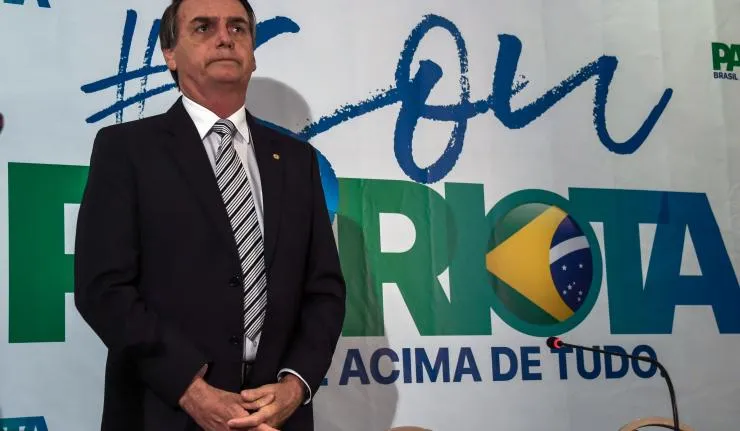
Andre Pagliarini argues that at the anniversary of the 1988 Constitution, Brazilian presidential candidate Jair Bolsonaro’s potential election threatens to revert the country’s progress toward democratic and social liberalization.