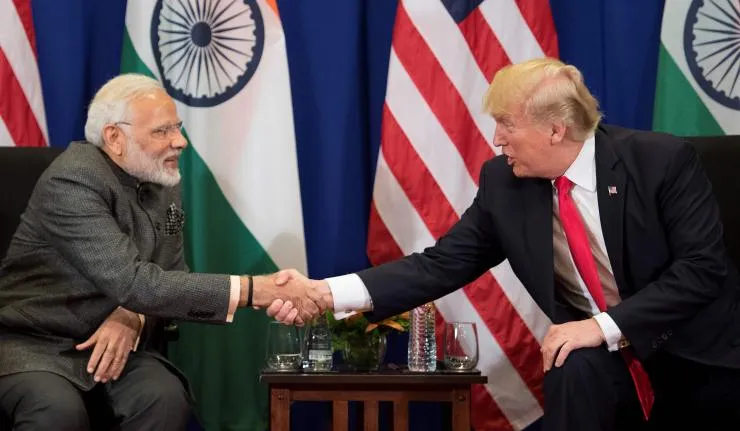
On 6 September 2018, U.S. Secretary of State Mike Pompeo and Secretary of Defense James Mattis will meet their Indian counterparts in New Delhi. The inaugral 2+2 Dialogue is an opportunity for both sides to discuss strengthening their strategic, security, and defense co-operation in the Indo-Pacific and beyond. Aayush Mohanty argues that top of the list should be the impact of U.S. sanctions on India’s defense and energy needs.
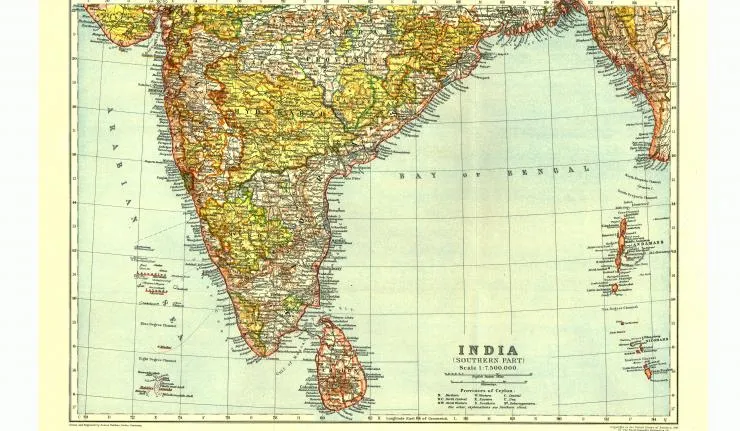
The People’s Republic of China’s rising interest in the Indian Ocean is causing tensions for its neighbors. While Chinese intentions regarding the South China Sea are known in the international community, China's increasing movement in the Indian Ocean have sparkled a sense of tension and uncertainty for India, which raises a new question – is the Indian Ocean going to be the new South China Sea?

This article is based on an interview with Cynthia Abdon, the General Manager of the Mission for Migrant Workers. It addresses the deep-seated master-labor relationship between Hong Kong Chinese employers and Filipino domestic helpers that results in abuse and low social status for the Filipino diaspora in Hong Kong. This article argues that the Filipino migrant community is undervalued by the Hong Kong Chinese community given how much it relies on the services Filipino domestic helpers provide.
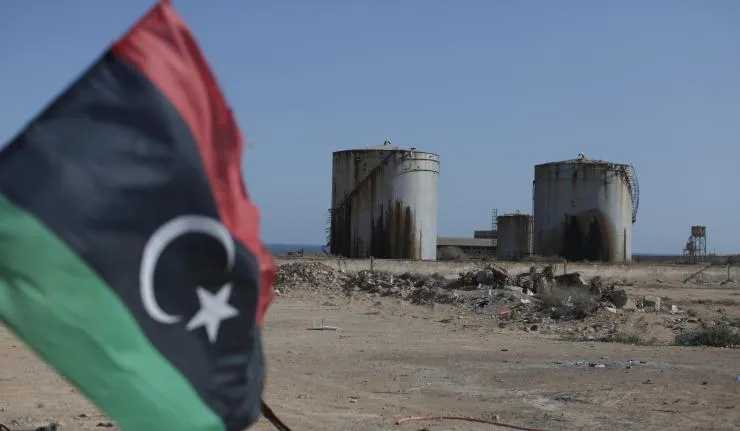
To cope with a lack of functioning national institutions in Libya, foreign governments and multilateral institutions should start coordinating directly with local authorities in the country. Linking economic opportunities to security milestones can help improve security and curtail illicit oil sales, and possibly benefit the lives of Libyans.
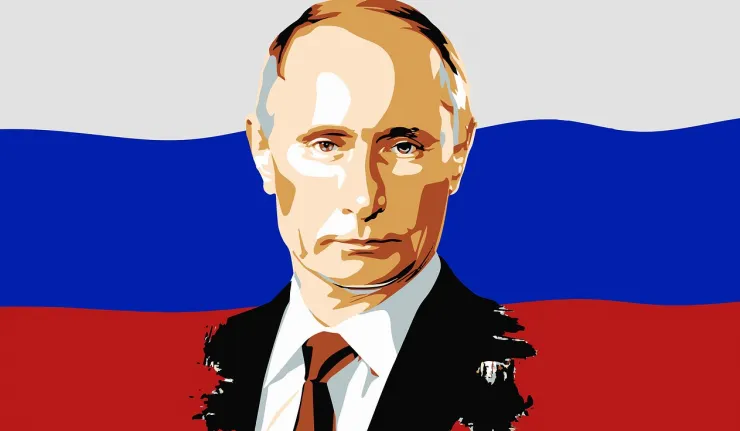
Heads of State usually struggle to balance international affairs with domestic needs. In today’s unpredictable global climate, world leaders should look to and learn from history. Here, Justin Leopold-Cohen explores the centennial anniversary of Russia’s departure from World War I, and how newly elected Chairman Vladimir Lenin chose to focus on domestic issues rather than foreign affairs: a lesson that current Russian President Vladimir Putin should heed.
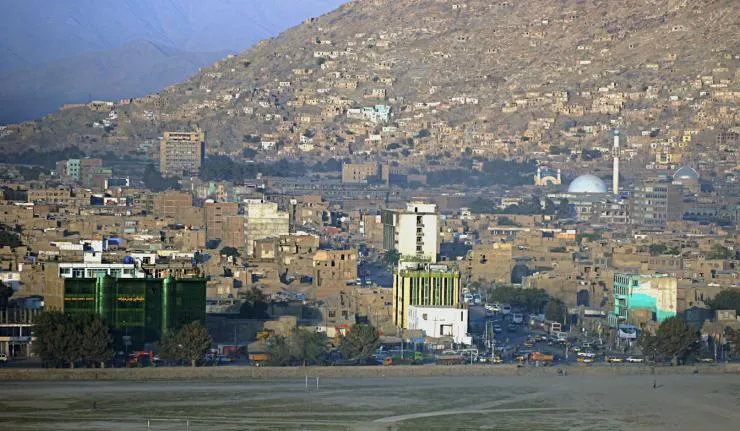
Devastating attacks rocked Kabul this month, killing over a hundred people and raising concerns over a resurgent Taliban. Repeated failures by the national government, Camelia Entekhabifard argues, have Afghans looking elsewhere for a defense against the terrorist insurgency: Donald Trump.

The forces of globalization have opened borders and linked societies. But, globalization has also impacted nonstate actors, allowing for transnational criminal activity and providing new strategies to plan and fund terrorism. Here, Justin Leopold-Cohen surveys this development and argues for its consideration in counterterrorism policy.

The United States is improving its ability to crack down on Russian hacking but even aggressive deterrence measures are unlikely to influence Putin.
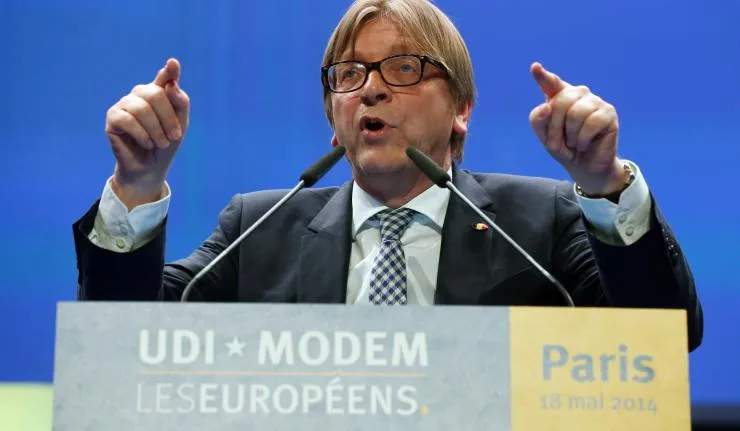
Britain’s decision to leave the EU jeopardizes the future of the European project. The Journal of International Affairs talked to Guy Verhofstadt, the lead Brexit negotiator for the European Parliament and former prime minister of Belgium, about Britain’s departure and the future of Europe.
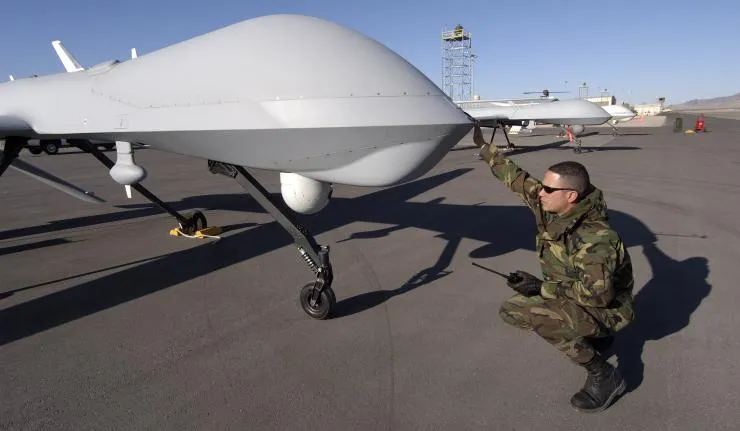
More and more military robots are being programmed to kill. The hope is that the absence of emotions and promotion of technical precision will save lives. But officials also expect these same robots to become fully autonomous, or capable of making their own decisions, when it comes to killing. The possibility that they may begin to kill indiscriminately is a scenario that more and more military strategists and ethicists are taking seriously.