
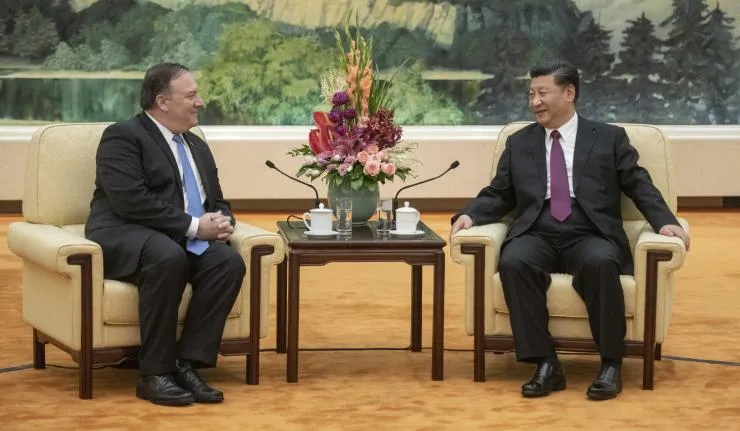
Many commentators have hailed the current century as the 'Asian Century, reminiscent of the previous Western-led century. Analysts view this as the supersession of United States as the world hegemon, which is under pressure from Asia. But is this rise enough to hail a change in the status quo? In this piece, Advaya Hari Sing explores the argument of an ‘Asian Century’ and further analyses the roadblocks it faces.
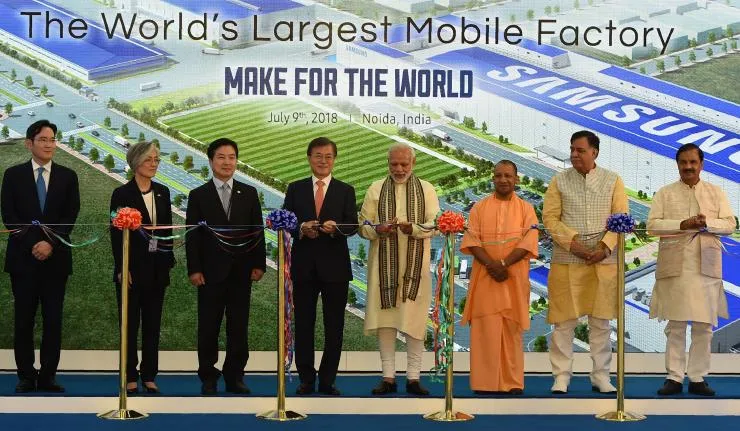
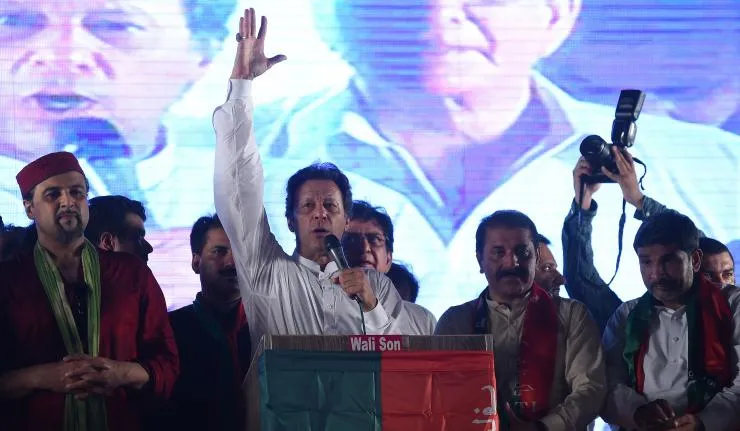
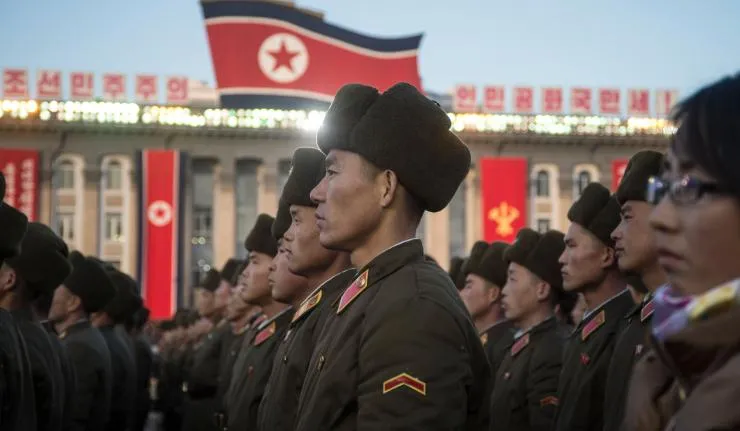
The term “Libya model” has gone from being an example of successful denuclearization in North Africa, to an explicit threat of military action on the Korean peninsula. This article will examine the differing definitons of the term and explore Libya’s fit as a model for North Korean denuclearization. Brian Choquette dissects the rationale for Libya’s abandonment of WMD, and looking ahead, contrasts it with the modern reality of the DPRK.
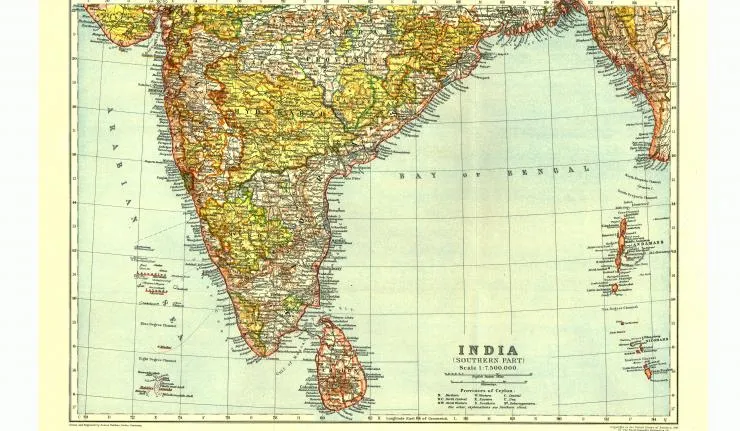
The People’s Republic of China’s rising interest in the Indian Ocean is causing tensions for its neighbors. While Chinese intentions regarding the South China Sea are known in the international community, China's increasing movement in the Indian Ocean have sparkled a sense of tension and uncertainty for India, which raises a new question – is the Indian Ocean going to be the new South China Sea?
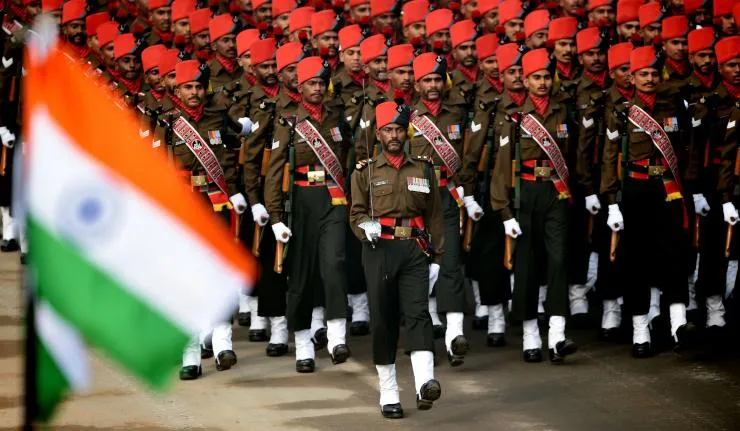
In this article, Aayush Mohanty examines India's foreign policy choices in response to increasing Chinese assertiveness in Asia. The two choices are that India pursues closer bilateral ties directly with the United States, or with Australia, Japan, and the United States through the Quadrilateral Security Dialogue.
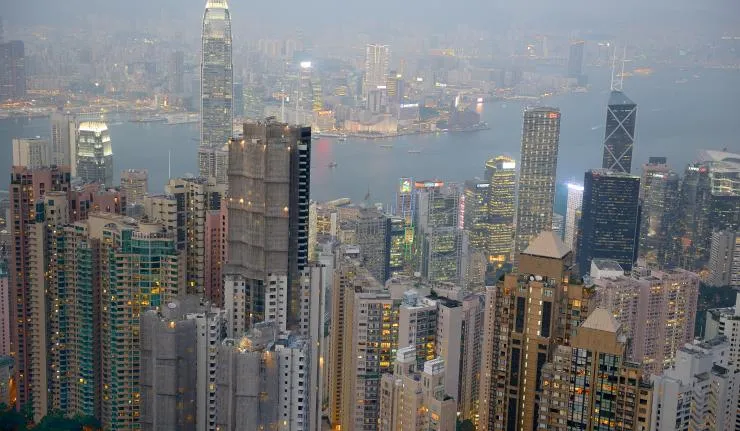
This article is based on an interview with Cynthia Abdon, the General Manager of the Mission for Migrant Workers. It addresses the deep-seated master-labor relationship between Hong Kong Chinese employers and Filipino domestic helpers that results in abuse and low social status for the Filipino diaspora in Hong Kong. This article argues that the Filipino migrant community is undervalued by the Hong Kong Chinese community given how much it relies on the services Filipino domestic helpers provide.

Heads of State usually struggle to balance international affairs with domestic needs. In today’s unpredictable global climate, world leaders should look to and learn from history. Here, Justin Leopold-Cohen explores the centennial anniversary of Russia’s departure from World War I, and how newly elected Chairman Vladimir Lenin chose to focus on domestic issues rather than foreign affairs: a lesson that current Russian President Vladimir Putin should heed.

In this essay, Dhriti Mehta analyzes the employment-social protection relationship in Japan in the context of the structure and function of the Welfare State, explores Japanese government’s policies toward foreign workers in tackling the impending crisis, and assesses the government’s merit in its decisions.
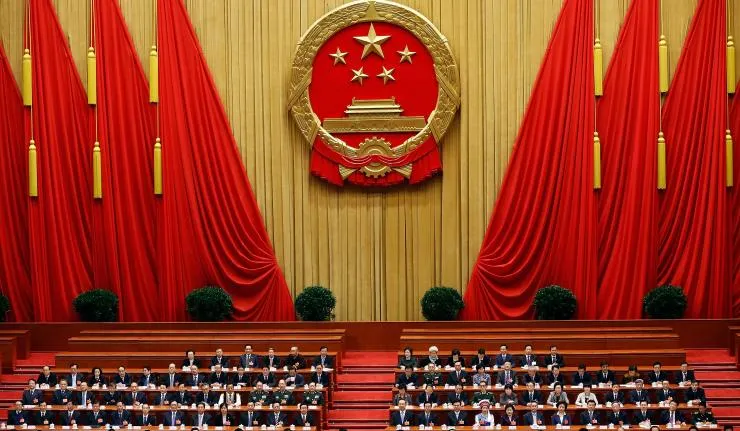
Dr. Andrew Nathan has been a professor of political science since 1971. He became one of the first Western scholars to study Chinese politics at a time when the West had virtually no information about the “Middle Kingdom.” Philip Hsu sat down with Dr. Nathan to discuss China's recent history and what is expected from U.S.-China relations under Donald Trump and Xi Jinping.
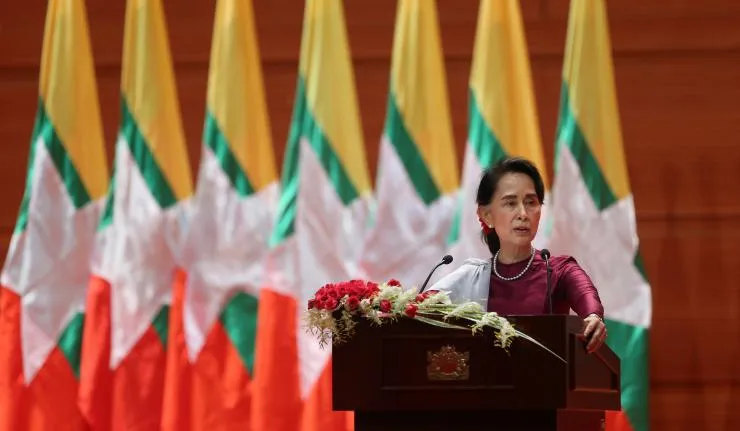
Suu Kyi rightfully received the Nobel Peace Prize of 1991, but her silence over human rights violations against the Rohingya betrays her past ideals
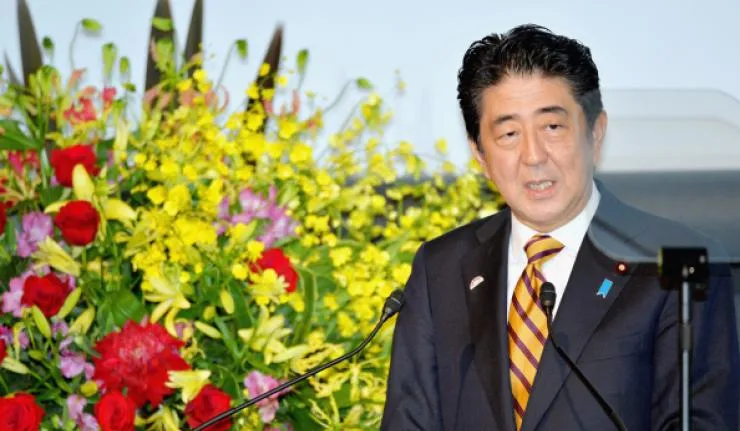
A lot of Japan’s women-related issues cannot be solved by legal frameworks or systems alone; they need social and cultural reformation.