
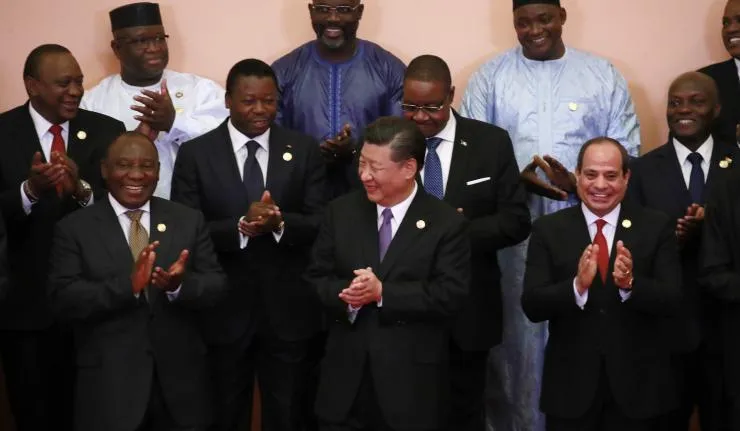
Bhaso Ndzendze discusses the scarcity of simplistic hypothesis testing and model-building in studying the relations between China and African states and the unsubstantiated generalisation which stems from this.
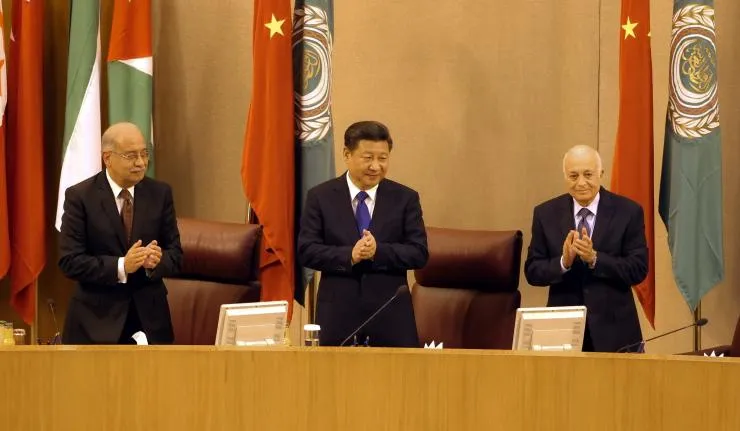
The United States remains the largest arms dealer in the Middle East, but over the past four decades China has emerged as a “Plan B” to meet arms demand in the region. Al Saud discusses how China’s win-win approach to economic diplomacy has bolstered its arms trade and argues that the Arab World may have found a willing partner for years to come.
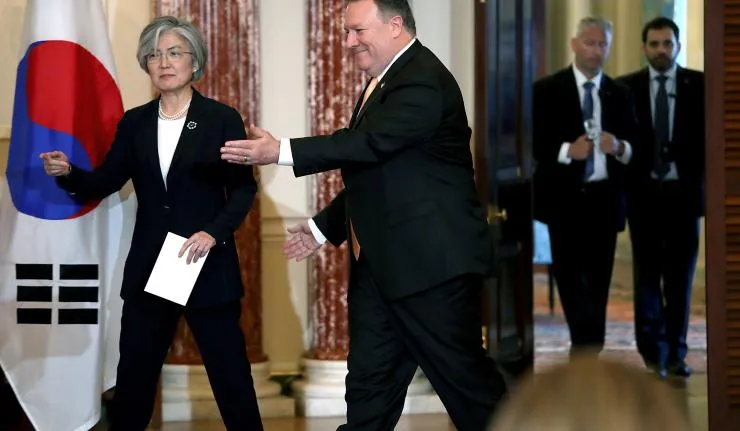
As a trade war mounts between the United States and China, South Korea has found itself caught in the middle. Seunghyun Han assesses the ways in which South Korea can mitigate risks to its export-oriented economy and use the trade war as impetus to pursue new market opportunities, particularly in Latin America.
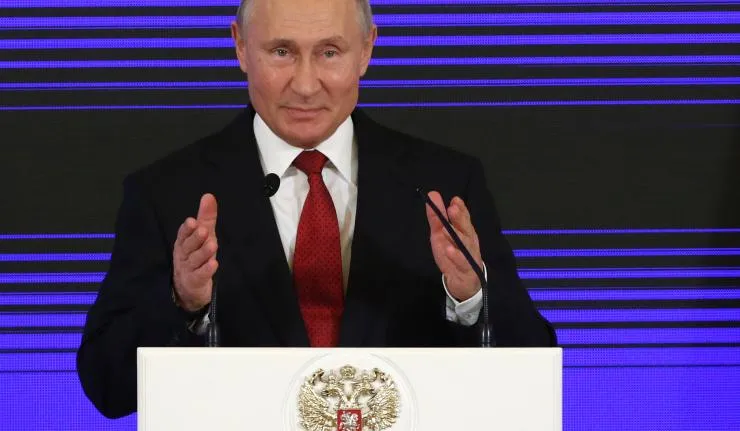
A decade ago, influential Russian analysts concluded that the emergence of a multipolar world was inevitable, and that Russia could benefit from this transition by adopting a strategy that combined great power realism and “traditional” Russian values.This strategy, first elaborated in Vladimir Putin’s Valdai Speech of 2013, has since come to be known as “civilizational realism.” This essay describes how, through civilizational realism, Russia hopes to forge a new, and more ‘congenial’ world order.
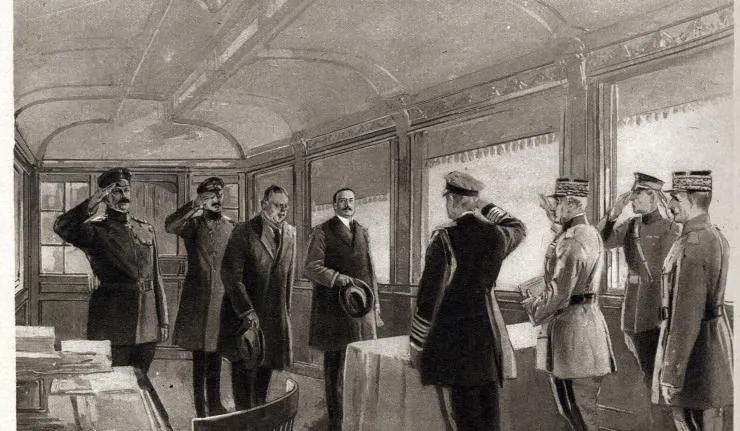
The epoch-making failure of the Versailles conference to address legitimate Chinese concerns and reconstitute Chinese sovereignty over Shandong unleashed social energies that continue to shape the Chinese worldview today. Yet it is exactly the historical lesson from the Shandong incident and the inalienable philosophical psyche of Shandong that can be a source of immense inspiration and stimulate creative action at a time of a dangerous Sino-US diplomatic quandary.
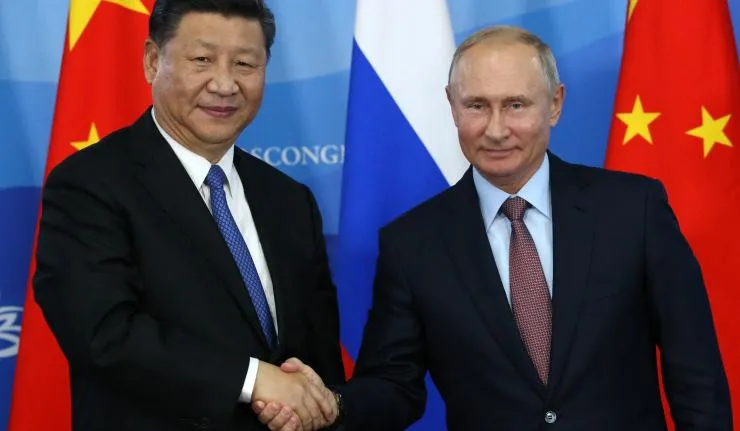
Tensions with the West since 2014 have contributed to Russia’s attempt to “pivot East” and coordinate with China on providing energy supplies. China is already Russian oil’s biggest customer, and in 2019 importing Siberian gas thanks to the massive “Power of Siberia” pipeline. But how far will Russia-China cooperation work? What are the risks for Russia? Will it become an “energy appendage” of Beijing? Ernesto Gallo and Bruno Sergi examine the changing dynamics of the relationship between Russia and China.
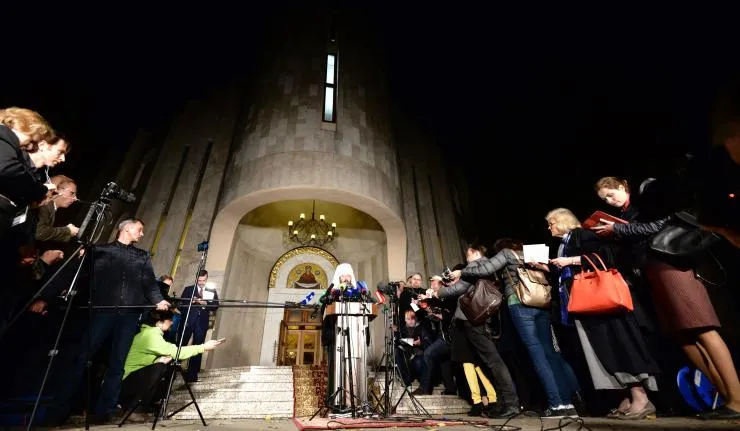
The Russian Orthodox Church announced on 15 October 2018 that it would break communion with the leader of Eastern Orthodoxy, the Ecumenical Patriarchate of Constantinople, over the decision to grant the Ukrainian Orthodox Church independence from the Moscow Patriarchate since coming under its control in 1686. The historic schism has implications beyond religious practice as political leadership in Kiev and the Kremlin connected the decision to foreign policy considerations. Amy Fallas argues that the geopolitical dimensions of the Orthodox crisis and the agency of ecclesiastical actors underscores…
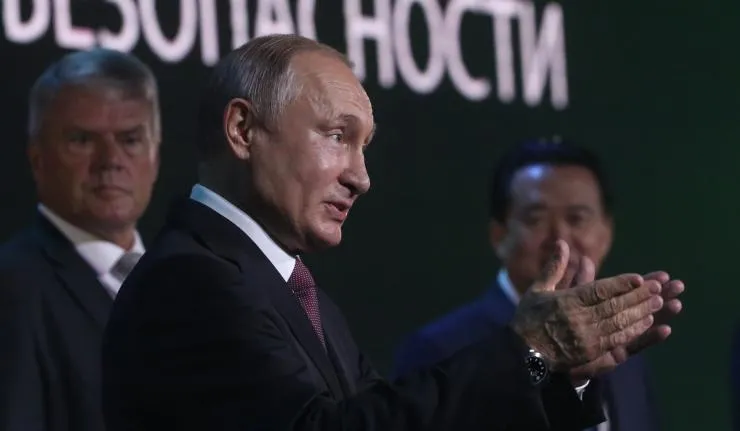
This article examines Russia’s use of misinformation to influence the 2016 U.S. election by reviewing the content of one of the largest repositories of publicly available Twitter data from Russia’s Internet Research Agency (IRA). The article focuses on assessing whether Russia’s communication strategy appealed to an informational logic of false information or to an identity logic. The evidence shows that Russia, through the IRA, was primarily invested in identity rather than informational claims particularly given that the bulk of Russia-linked communications sought to define then-candidate…
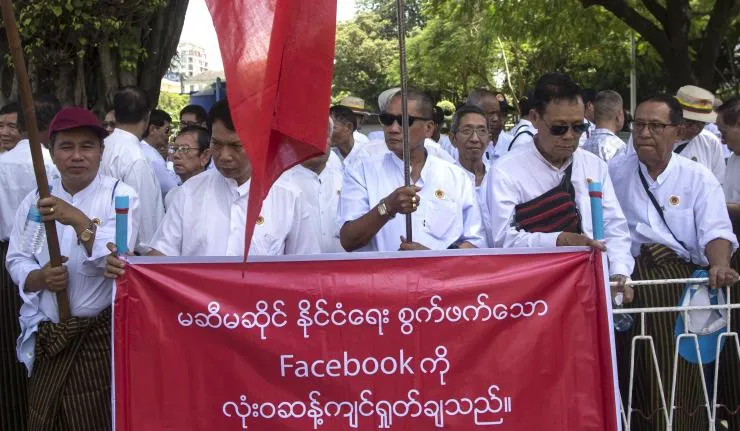
This article addresses ethical dilemmas concerning freedom of expression and Facebook in a context of religious tension and semi-democratic rule in Myanmar. It begins with a discussion of how Buddhist ultranationalists have used Facebook to stoke fear, normalize hateful views, and facilitate acts of violence against the Rohingya and other Muslim communities in Myanmar. It then analyzes the Myanmar Government’s use of Facebook in ways that have reinforced, rather than challenged, anti-Muslim rhetoric while restricting independent reporting. It concludes with a consideration of what Facebook and…
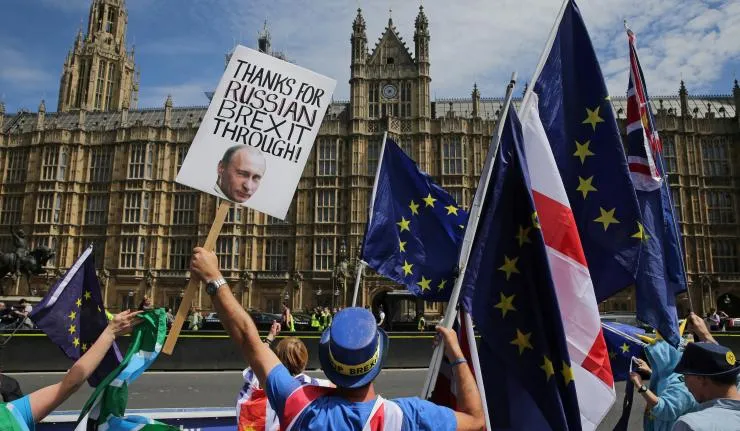
The field of conspiracy theories has previously focused primarily on the role of conspiracy theories in U.S. politics, neglecting the use of conspiracy theories as strategic narratives more broadly. A subset of question-raising conspiracy theories codes was developed for this study to include a more nuanced look at conspiracy theories and the techniques used to undermine existing narratives. Question-raising theories do not use the words “conspiracy” or “theory.” This study analyzed daily RT RSS feeds from June-July 2016 using the application of codes pertaining to Brexit, the EU, EU member…
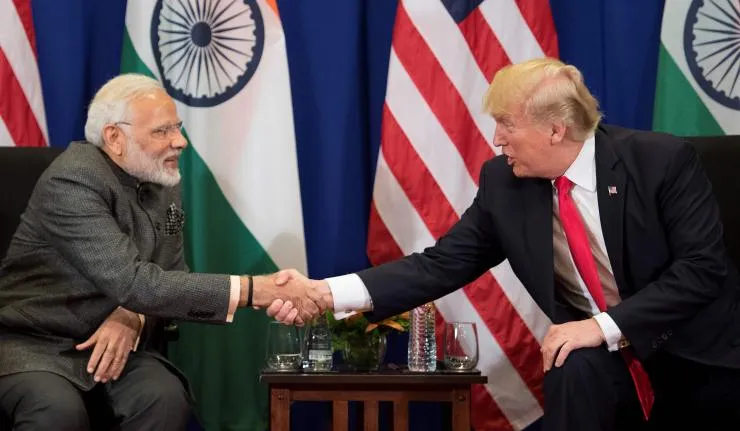
On 6 September 2018, U.S. Secretary of State Mike Pompeo and Secretary of Defense James Mattis will meet their Indian counterparts in New Delhi. The inaugral 2+2 Dialogue is an opportunity for both sides to discuss strengthening their strategic, security, and defense co-operation in the Indo-Pacific and beyond. Aayush Mohanty argues that top of the list should be the impact of U.S. sanctions on India’s defense and energy needs.
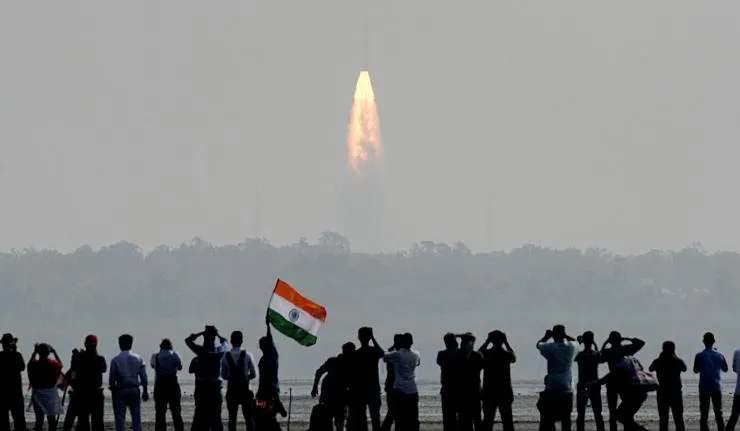
China has developed an arsenal of counterspace weapons, which is likely to be a threat to Indian assets in space in the event of confrontration on Earth. Rahul Krishna and Radhika Chhabra propose a model for Indian deterrence in space based on the theory of deterrence through denial. The model is based on mitigating the strategic gains for China and increasing the cost of an attack on India’s space assets, thus greatly increasing the threshold for such an attack to occur.