

To many, poverty alleviation and economic development in Africa can mean two things: resource extraction or foreign aid distribution. However, the emerging mobile phone trade between African countries and China indicates the potential of an alternative growth strategy centered on small African traders that can deliver more equitable distribution of profits throughout Africa.

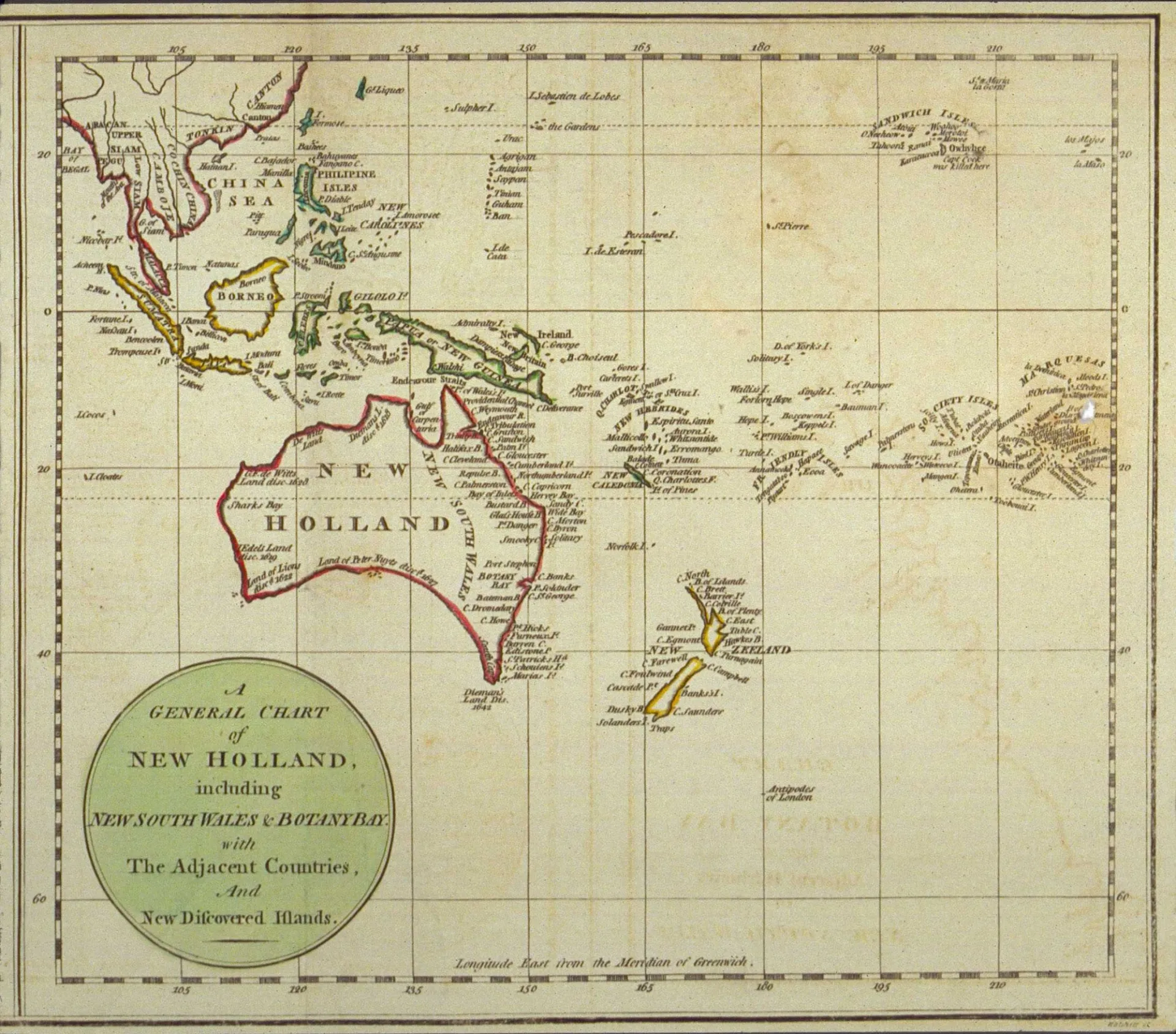
With over 80,000 kilometers of borders, Indonesia has become a transit hub for migrants hoping to reach Australia. However, as Australia tightens its entry and immigration policies under Prime Minister Tony Abbott, many migrants have found themselves struck in this archipegic country. Some surrender to the authorities immediately and end up in detention centers, while others live in secrecy. Dr. Antje Missbach is a research fellow at Monash University in Melbourne, Australia, who has been studying the migration flows since 2010. She spoke with the Journal about trends that she has seen from her…
The central thesis of Child Migration & Human Rights in a Global Age argues an interesting position. Rather than treating children as subservient dependents of adult migrants, Jacqueline Bhabha makes a compelling case for examining them individually. In many cases, their needs differ starkly from their parents’, and they are especially susceptible to an entirely different collection of dangers. The text is skillfully layered with a legal history of the field, and to maintain its accessibility, the author takes pains to include anecdotes that illustrate…
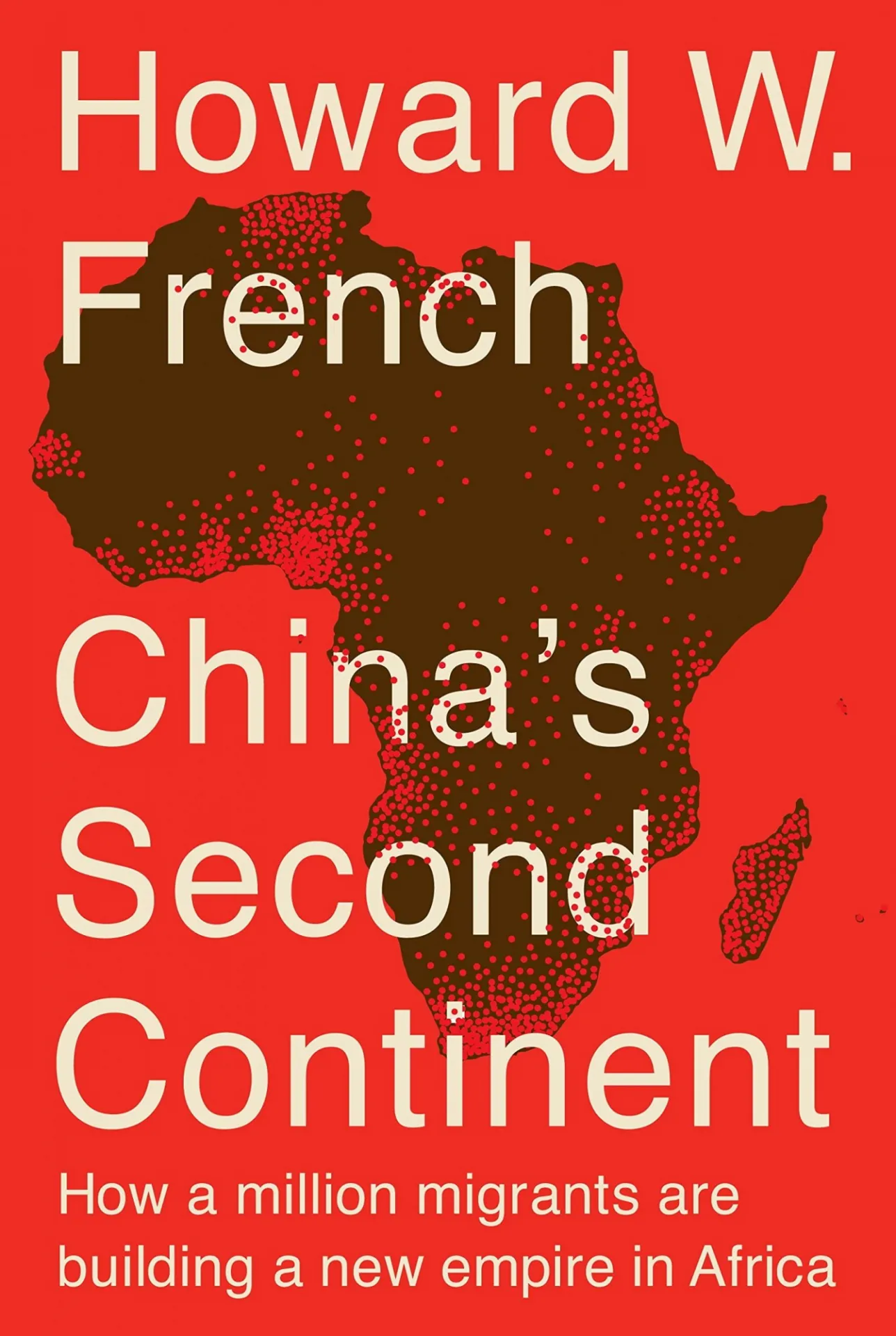
In the past decade, China’s investment in Africa increased from about $77 million to a staggering $2.9 billion.1 Also, China-Africa trade has surged to about $160 billion per year, a twenty-fold increase from what it was ten years ago.2 It is not surprising that the first-ever overseas trip of Chinese leader Xi Jinping was to Africa.3 Today, more than a million Chinese migrants call Africa home, most of them laborers who first arrived in Africa to work on large, Chinese-backed construction projects.4 Many of these Chinese companies employ far more of their own citizens to work in these laborious…
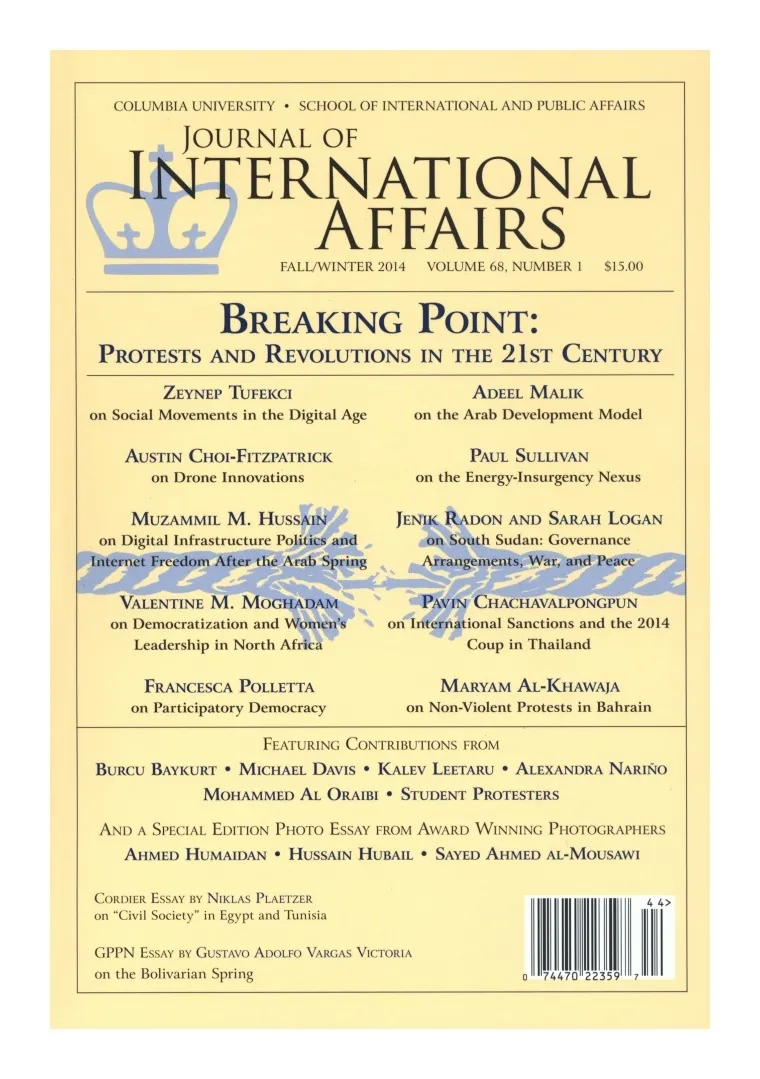

Recent debates on societal transitions to democracy have focused their attention on the notion of "civil society," putting great hope in its democratizing effects. This essay re-examines the notion's utility in the context of the post-2011 Arab Spring uprisings in Tunisia and Egypt. It argues that at least in its conceptualization along the lines of the "transition paradigm," the civil society framework is unable to capture the complex catalysts of the non-teleological, open-ended uprisings in North Africa. Not only does it largely ignore the importance of socioeconomic forces a well as the non-institutionalized,…