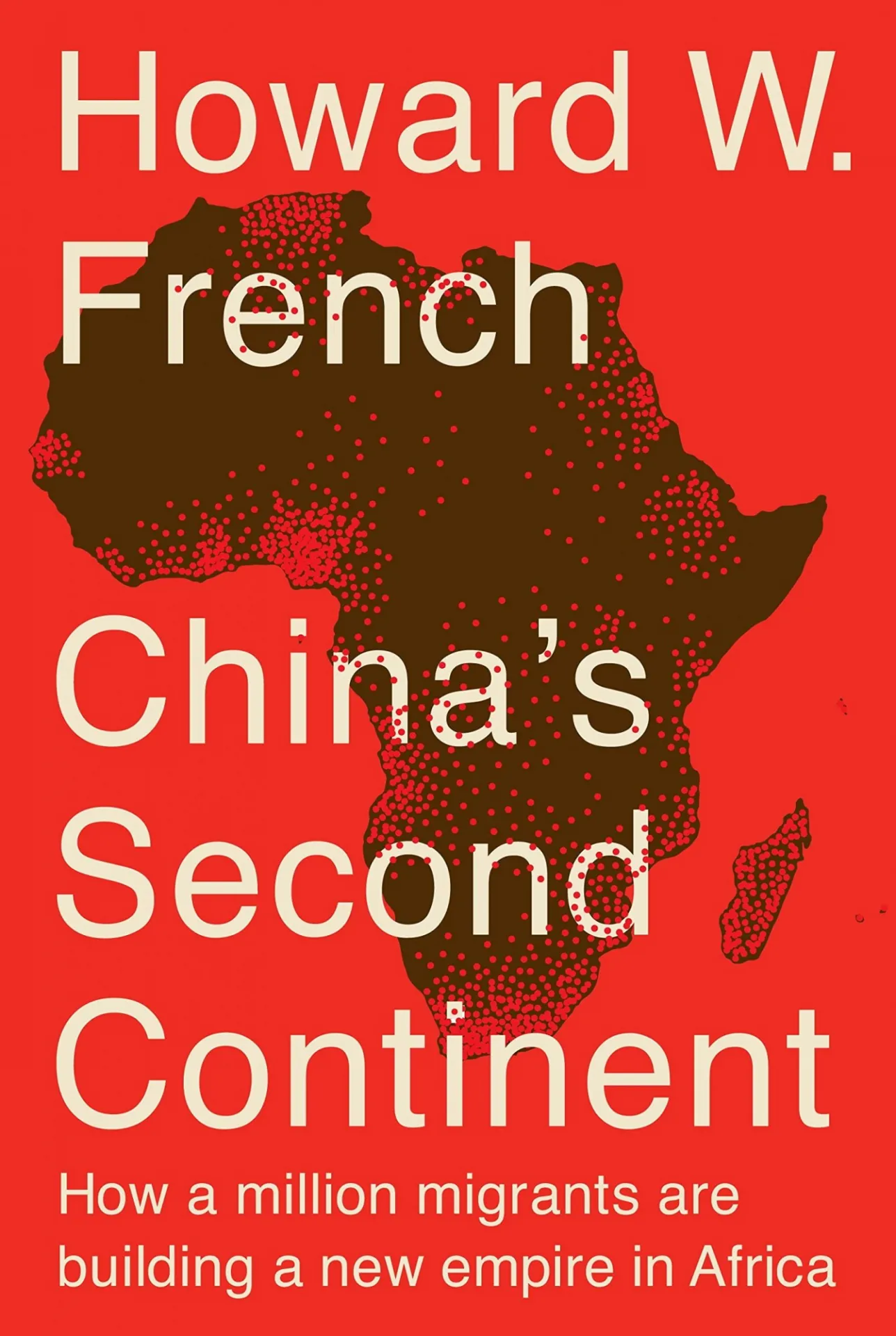
In the past decade, China’s investment in Africa increased from about $77 million to a staggering $2.9 billion.1 Also, China-Africa trade has surged to about $160 billion per year, a twenty-fold increase from what it was ten years ago.2 It is not surprising that the first-ever overseas trip of Chinese leader Xi Jinping was to Africa.3 Today, more than a million Chinese migrants call Africa home, most of them laborers who first arrived in Africa to work on large, Chinese-backed construction projects.4 Many of these Chinese companies employ far more of their own citizens to work in these laborious…
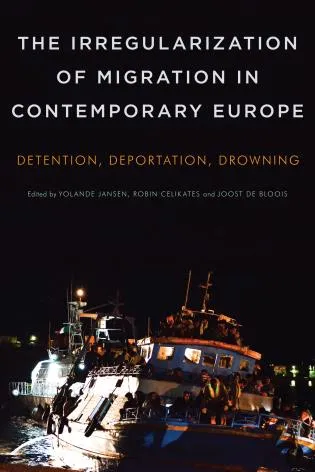
Few would argue that suffering and death in hostile border regions, underequipped detention facilities, or unsafe working and living conditions are anything other than tragic consequences of failing immigration systems around the world. But, as Julien Jeandesboz argues in The Irregularization of Migration in Contemporary Europe, exploitation, abuse, and even death of undocumented immigrants can be convincingly described as inherent features of systematic domination rather than a failure of order in Europe’s immigration system1. The Irregularization of Migration in Contemporary Europe is…
Recent debates on immigration, both in the United States and abroad, have become increasingly controversial and politically charged. In the wake of President Obama’s November 2014 executive action to grant approximately 5 million unauthorized immigrants in the United States protection from deportation, Congress remains deadlocked on the immigration issue, as Republicans threaten to reverse the president’s actions by withholding funding from the U.S. Department of Homeland Security. In Europe, anti-immigration sentiment appears to be on the rise, as evidenced by the relative success…
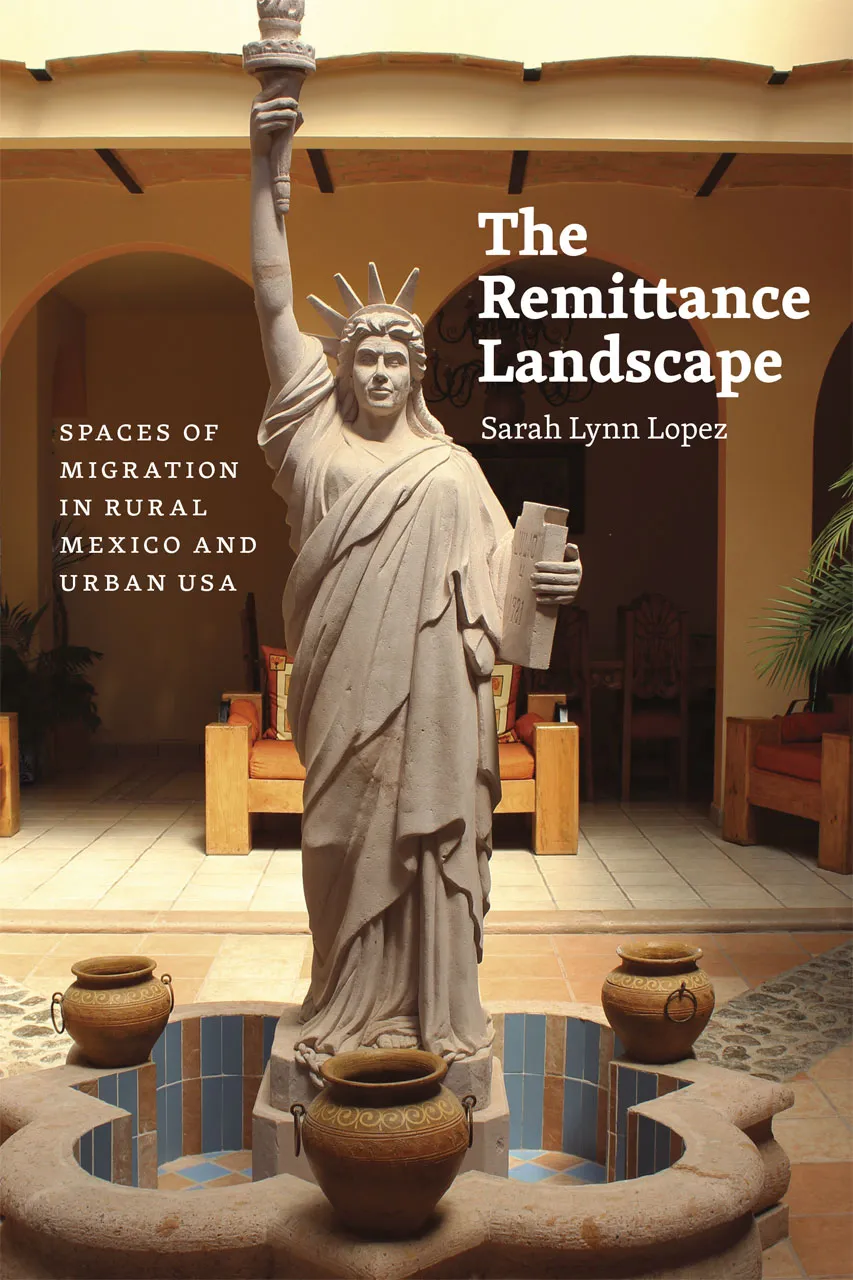
Sarah Lynn Lopez’s The Remittance Landscape: Spaces of Migration in Rural Mexico and Urban USA deftly carves out a largely unexplored space in the migration conversation—one that encompasses the duality of migration and the effects of this demographic flow on rural and urban physical spaces to track social change. These shifts that result from migration are part of what Lopez terms the “remittance landscape.” The remittance landscape serves as a nuanced canvas on which the dynamics of migration are displayed through the development of built environment supported by remittances from migrants…
Pinay on the Prairies: Filipino Women and Transnational Identities by gender and migration scholar Glenda Tibe Bonifacio offers an intimate, detailed picture of the lives and identities of the Filipino migrant women in the Canadian provinces of Alberta, Manitoba, and Saskatchewan; told using a feminist approach uniquely attributed to the Filipino women, or what Bonifacio calls “Pinayism.” In her book, Bonifacio attempts to shatter the stereotypical and racialized image of Filipino migrant women, presenting these women to be more than just “nannies” or “domestic workers,” but…
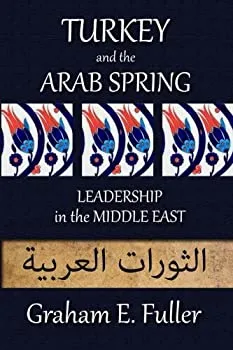
As the saying goes, history may not repeat itself, but it certainly rhymes. This adage is the thrust of much of Graham Fuller’s recent book Turkey and the Arab Spring: Leadership in the Middle East. Early in the text, Turkish foreign minister Ahmet Davutoğlu describes his nation’s resurgence as “the return of history,” and the echoes of Ottoman-era preeminence haunt the rest of the book. Fuller, a former CIA official, delivers an accessible, well-researched book that explores the nuances of an increasingly confident Turkey and its modern ambitions within the Middle East. The author…
Henry Kissinger’s World Order poses a timely question: How does the world achieve peace and stability among actors whose definition of “order” varies? Kissinger contends that a successful approach to world order must incorporate both the “multifariousness of the human condition” and the “ingrained human quest for freedom.”
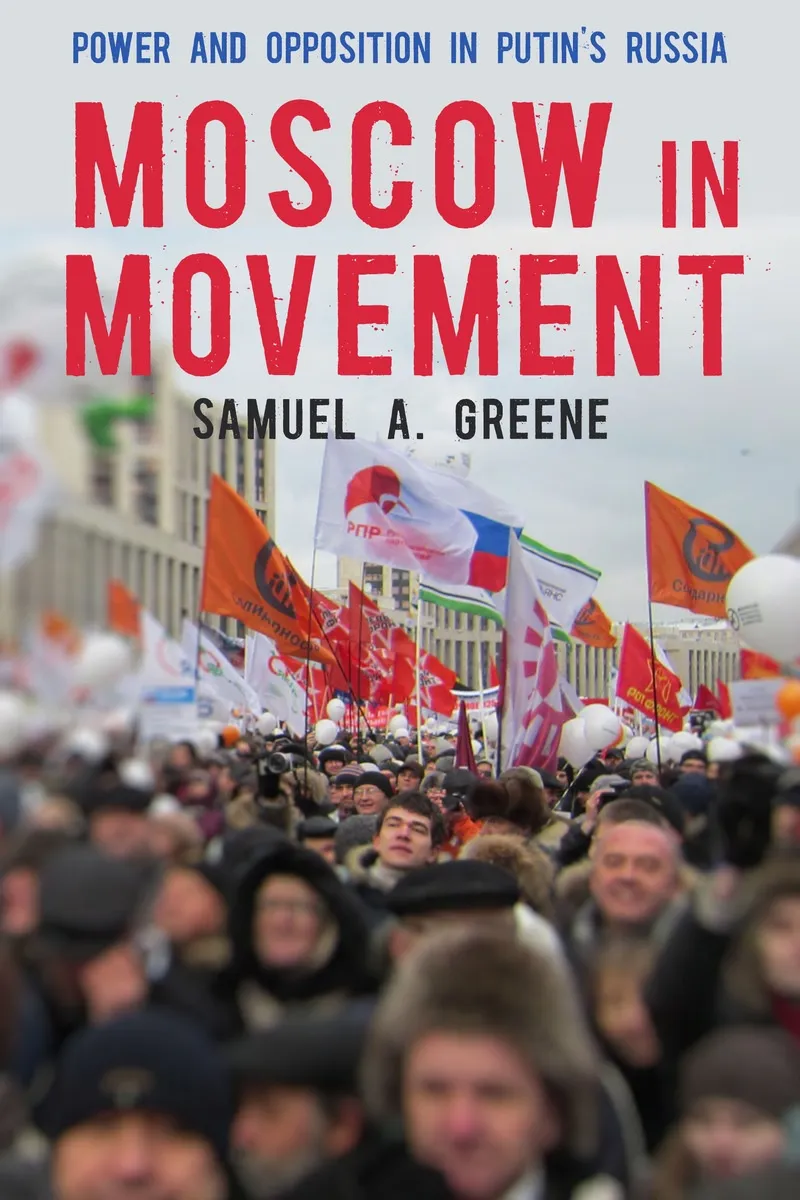
Samuel A. Greene, one of the leading British experts on Russia and post-Soviet space, presents a thoughtful and comprehensive study of the evolution of Russian civil society in Moscow in Movement: Power and Opposition in Putin’s Russia. Greene’s book presents a noteworthy reflection on Russia’s political regime, elite strategies, and social movement organization. It balances theoretical speculations on the nature of the Russian political regime with a new, refreshing perspective on the acute problems of state-society relations, explored through several case studies.
Embedded in its very title, Marc Lynch’s The Arab Uprising: The Unfinished Revolutions of the New Middle East delves into a question that has been left unanswered by commentators and critics alike: Was the Arab uprising one underlying movement organized under a grandiose ideal to give birth to a new Middle East, or was it a multitude of popular and unfinished revolutions that unfolded in different locations in sequential timing? Lynch’s answer is that it was both: The Arab uprising was a continuous oscillation between the transnational and the local. Such a reading is not, in itself,…
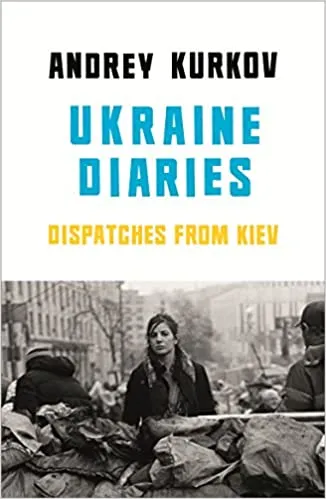
Andrey Kurkov’s diary begins on Thursday, 21 November 2013—the day the Ukrainian government decided to suspend preparations to sign an Association Agreement with the European Union. Many Ukrainians hoped this agreement would draw Ukraine out of Russia’s orbit and reorient it westward. After hearing the news, Kurkov heads to a café where he orders a coffee and then decides to add some cognac to it. He writes, “We have, once again, had our future taken away from us.”1 One of Ukraine’s most well-known fiction writers, Kurkov has kept diaries for decades, but it was not until the EuroMaidan…