
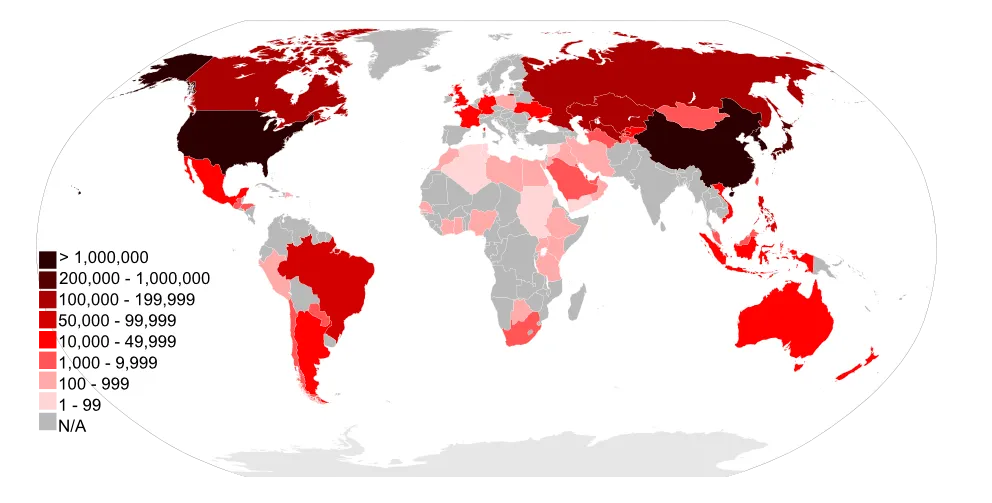
This paper seeks to examine the role of diaspora populations in the perpetuation or resolution of violent conflict in their homelands. The goal is to demonstrate the increasingly significant role diasporas play in international affairs and the importance of viewing diaspora groups as separate actors in a conflict, often with different motivations. Diaspora groups are capable of exerting disproportionate influence over events in their countries of origin, due to disparities in economic wealth, freedom of expression, and influence on governments in their adopted homelands. Concurrently, the conflict-related…
Recent debates on societal transitions to democracy have focused their attention on the notion of “civil society,” putting great hope in its democratizing effects. This essay reexamines the notion’s utility in the context of the post-2011 Arab Spring uprisings in Tunisia and Egypt. It argues that at least in its conceptualization along the lines of the “transition paradigm,” the civil society framework is unable to capture the complex catalysts of the non-teleological, open-ended uprisings in North Africa. Not only does it largely ignore the importance of socioeconomic forces as well…
Recent debates on societal transitions to democracy have focused their attention on the notion of "civil society," putting great hope in its democratizing effects. This essay re-examines the notion's utility in the context of the post-2011 Arab Spring uprisings in Tunisia and Egypt. It argues that at least in its conceptualization along the lines of the "transition paradigm," the civil society framework is unable to capture the complex catalysts of the non-teleological, open-ended uprisings in North Africa. Not only does it largely ignore the importance of socioeconomic forces a well as the non-institutionalized,…