
Journal of International Affairs
At War With São Paulo’s Establishment, Black Paint in Hand

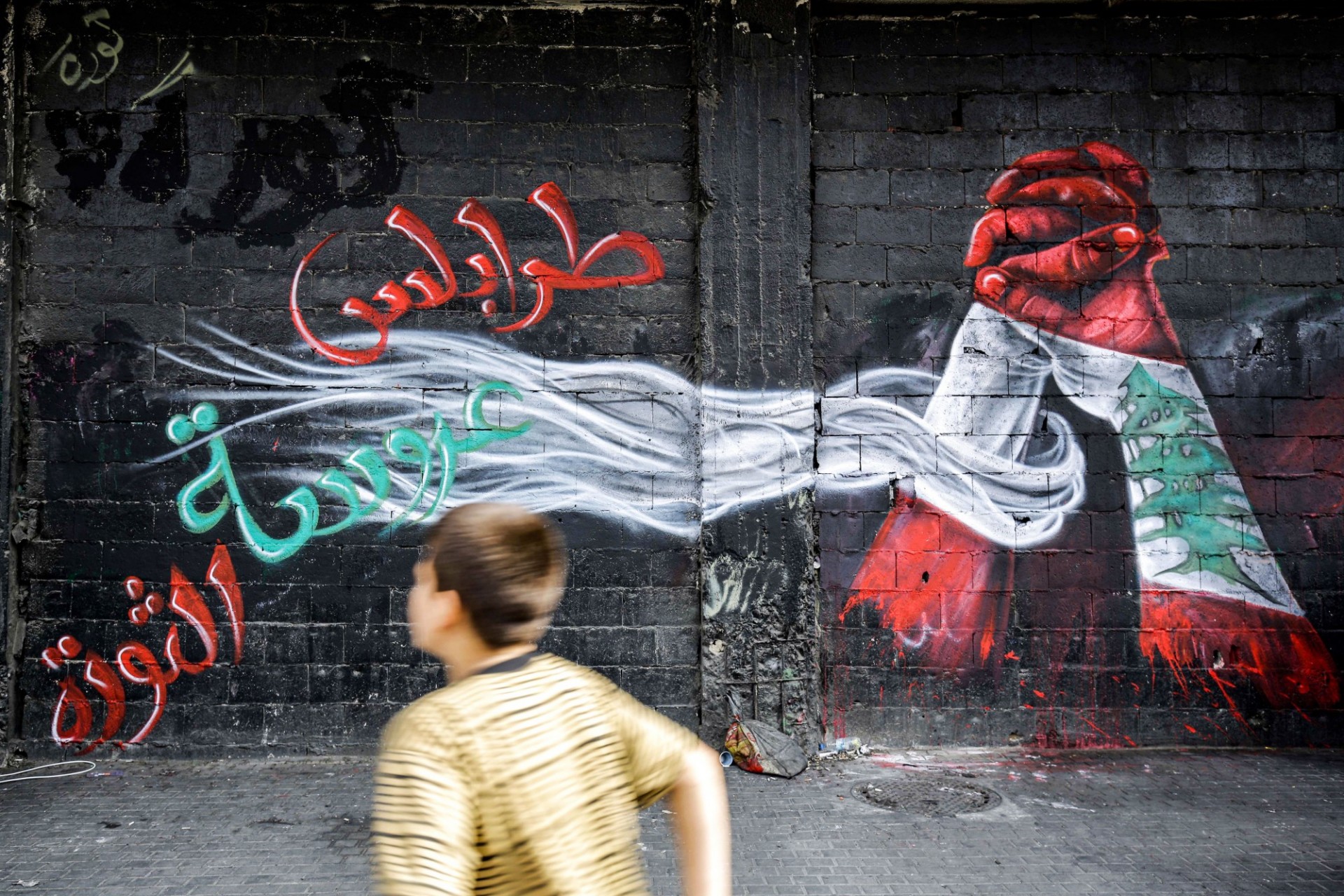
In São Paulo, a long history of socioeconomic rifts has spilled into the streets in the form of protest graffiti. As members of the lower class take up black paint to express their anger against the towering inequalities so common to Brazil, the foreign art world has developed a keen interest in the budding practice. Those living or working in or near the graffitied buildings voice complaints about defacement, but the movement seems to be picking up speed—and garnering more and more attention for its cause.
|
Their graffiti, called pichação, from the Portuguese verb “pichar,” or cover with tar, reflects the urban decay and deep class divisions that still define much of São Paulo, a city with a metropolitan population approaching 20 million. |
The Population of Chinese Cities? Almost 700 Million.
Over half of China's population is now urban, not rural:
| Demographers had seen this moment coming. The 2010 census showed the differential between town and country to be within a mere few tenths of a percentage point. And yet it is still a remarkable turnaround. In 1980 fewer than a fifth of Chinese lived in cities, a smaller urban proportion than in India or Indonesia. Over the next ten years the government remained wary of free movement, even as it made its peace with free enterprise. |
“I love the city, but am ashamed of its condition”
Kolkata, a former industrial powerhouse, is struggling to keep pace in India's modernizing economy. According to The Economist:
|
[N]o one disputes that West Bengal has suffered deindustrialisation on a par with the likes of Detroit. According to the central bank, the state accounted for a quarter of India’s industrial capital stock in 1950. By 1960 it contributed 13% of manufacturing output and by 2000 just 7%.
Other measures are just as dire. Bank lending is below the national average. Calcutta’s population fell slightly over the past decade, no mean achievement in a rapidly urbanising country. Only one big non-state firm is based there, after an exodus that began in the 1960s. Most pitifully of all, West Bengal has received less than 2% of the foreign direct investment that poured into India over the past decade.
|
When Paris Became . . . Paris
Robert Zaretsky reflects on 160 years of urban renewal:
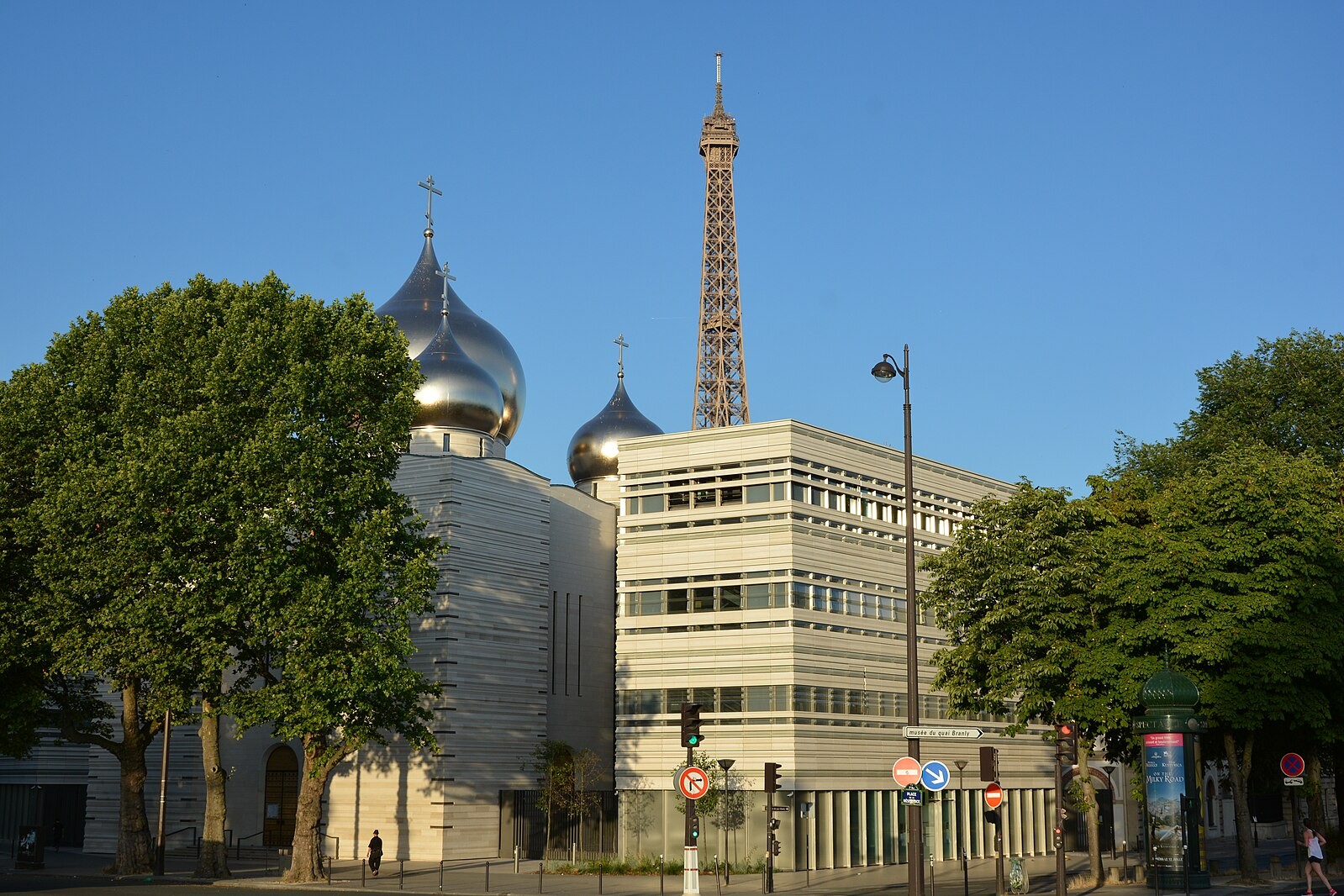
| This year marks the 160th anniversary of the event that transformed Paris into the city that frames so many of this year’s Oscar nominees. It was in 1852 that President Louis Napoleon Bonaparte, fired by the memories and myth of his uncle’s earlier reign, proclaimed the birth of the Second Empire. Keen on creating a city worthy of its new imperial ambitions, the new emperor appointed a technocrat, Georges-Eugène Haussmann, to remake Paris. In one of his first acts as emperor, Louis-Napoleon called Haussmann to his palace and showed him a map of Paris on which he had slashed a number of straight lines across the dense squiggles of streets and alleys that formed a still mostly medieval city.
Haussmann assumed his task with ruthless efficiency. He proceeded to disembowel, as Haussmann proudly described his work, the center of the city. The Ile de la Cité, the small island anchored in the middle of the Seine, was entirely razed. More than 30,000 inhabitants in the thick hive of tenements that sprawled to the walls of Notre Dame were forced out, and the island was transformed into a lifeless platform for the cathedral. The same logic of urban renewal played out elsewhere in the city: Haussmann sought to check nearly a millennium of largely unplanned growth with the imposition of rectilinear street patterns and broad boulevards lined by apartment buildings with... |